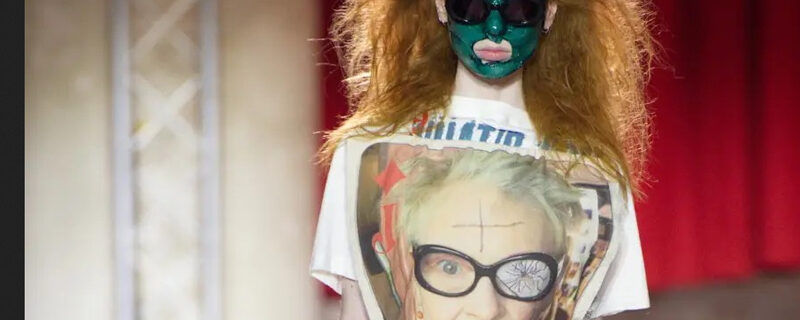
آنچه ایران بر تن داشت: پارچه، قدرت، ایمان و آزادی

در سرزمینی که دستگاه‌های بافندگی‌اش به قدمت تاریخ‌اند و پادشاهی‌هایش گویی هرگز نمی‌میرند، پوشاک ایرانی تار و پود روایتی را می‌بافد که از تاریخ، هویت و معنا سرشته شده است. از شبانان عصر نوسنگی که پشم می‌رشتند تا بازرگانان جادهٔ ابریشم در کاشان، جامه همواره چیزی فراتر از ضرورتی برای زیستن بوده است؛ نشانه‌ای از …

What Iran Wore: Cloth, Power, Faith, and Freedom

In a land of ancient looms and undying kingdoms, Iranian clothing weaves a tapestry of history and meaning.  From Neolithic herders spinning wool to Silk‑Road merchants in Kashan, dress has been both a necessity and a signal of identity.  As one survey of Near Eastern archaeology notes, the Iranian plateau was “arguably the most important …

پوشاک و دوگانهٔ جنسیت: نقیضه‌ی جنسیتی، قدرت و سیاست‌های لباس از جرم‌انگاری دگرپوشی تا مردانی که لباس شب می‌پوشند

در سراسر تاریخ، پوشاک همچون زبانی بصریِ قدرتمند برای نشان‌دادن و تحمیل هنجارهای جنسیتی عمل کرده است. مرزبندی میان «لباس مردانه» و «لباس زنانه» غالباً امری طبیعی و تغییرناپذیر فرض شده و با ضمانت‌های اجتماعی و حتی حقوقی پشتیبانی شده است. در بسیاری از جوامع، عبور از این خطوط پوششی به‌صورت واقعی جرم‌انگاری می‌شد: در …

Dressing the Binary: Gender Parody, Power, and the Politics of Clothing from Criminalized Cross-Dressing to Men in Gowns

Throughout history, clothing has served as a powerful visual language for signaling and enforcing gender norms. The divide between “men’s” and “women’s” attire was often treated as natural and immutable, buttressed by social sanctions and even the law. In many societies it was literally a crime to cross these sartorial lines: Deuteronomy 22:5 in the …

حکومتِ نمودها: مد، مصرف‌گرایی و تولیدِ سوژه در کپیتالیسمٍ متأخر

مد، بسیار دور از آن‌که زینتی سبک و تفننی در حاشیهٔ زندگی باشد، به‌منزلهٔ یک «دیسپوزیتیفِ» فشردهٔ قدرت، نمایش و سوژه‌سازی در دلِ سرمایه‌داری عمل می‌کند. این نظام، «بتوارگیِ کالا» را با فرهنگِ مصرف به هم می‌دوزد و مادیتِ خامِ پارچه و تولید را با دستگاه‌های نمادینِ هویت و منزلت پیوند می‌زند. با تکیه بر …

The Government of Appearances: Fashion, Consumerism, and the Production of the Subject in Late Capitalism

Fashion, far from being a frivolous ornament of life, operates as a dense dispositif of power, spectacle, and subject-formation under capitalism. It binds together commodity fetishism and consumer culture, marrying the raw materiality of fabric and production with the symbolic systems of identity and status.  Drawing on Marx and Debord, we see fashion as a …

حمایت چپ از جنبش بدون آرایش

چپ‌ها به طور گسترده از جنبش بدون آرایش به عنوان بخشی از تعهد گسترده‌تر خود به برابری جنسیتی، مثبت بودن بدن و مقاومت در برابر استانداردهای زیبایی ظالمانه حمایت می‌کنند. آن‌ها آرایش را نمادی از فشار جامعه می‌دانند که اغلب بر زنان تحمیل می‌شود تا با آرمان‌های زیبایی غیرواقعی که ساختارهای مردسالارانه را تقویت می‌کنند، …

Leftist Support for the Makeup-Free Movement

Leftists widely support the makeup-free movement as part of their broader commitment to gender equality, body positivity, and resistance against oppressive beauty standards. They view makeup as a symbol of societal pressure, often imposed on women to conform to unrealistic beauty ideals that reinforce patriarchal structures. By rejecting these norms, the makeup-free movement aligns with …

مثبت‌اندیشی نسبت به بدن و سیاست چپ: تعریف مجدد استانداردهای زیبایی در مد

مثبت‌اندیشی نسبت به بدن و سیاست چپ به طور قابل توجهی در تعریف مجدد استانداردهای زیبایی در صنعت مد تلاقی می کنند. جنبش مثبت اندیشی، که پذیرش و قدردانی از همه تیپ‌های بدن را بدون توجه به شکل، اندازه یا ظاهر ترویج می‌کند، با ارزش‌های چپ‌گرایانه مانند برابری، فراگیری و مقاومت در برابر سیستم‌های ظالمانه …

Body Positivity and Leftist Politics: Redefining Beauty Standards in Fashion

Body positivity and leftist politics intersect significantly in the redefinition of beauty standards within the fashion industry. The body positivity movement, which promotes the acceptance and appreciation of all body types regardless of shape, size, or appearance, aligns closely with leftist values such as equality, inclusivity, and resistance to oppressive systems. The fashion industry, historically …