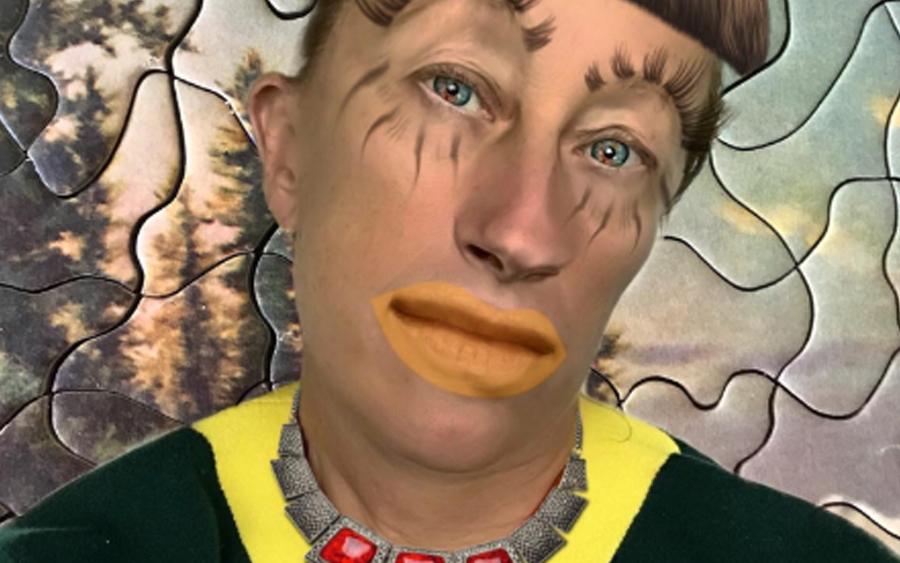
Contemporary conceptual art, a movement that places greater emphasis on the intellectual and philosophical exploration of art rather than its aesthetic qualities, has gained significant traction in recent decades. Emerging from the avant-garde traditions of Dada, Surrealism, and Minimalism, conceptual art shifted the focus of artistic practice from the creation of beautiful, tangible objects to the exploration of ideas, concepts, and intellectual discourse. While the impact of conceptual art is evident within the art world itself—transforming the role of the artist, the marketability of art, and the meaning of artistic value—the broader societal implications of this shift are equally profound. This essay explores the relationship between contemporary conceptual art and society through sociological and psychological lenses, examining how this artistic movement reflects, critiques, and influences contemporary social structures. The sociological and philosophical underpinnings of conceptual art not only challenge traditional notions of creativity, authorship, and art-making but also interrogate the relationship between art and power, economics, and identity.
The conceptual art movement initially gained prominence in the 1960s and 1970s, with artists such as Sol LeWitt, Joseph Kosuth, and Yoko Ono pushing the boundaries of what could be considered art. Central to their practice was the idea that the concept behind a work was more important than the physical object itself. Artists of the conceptualist school sought to eliminate traditional concerns with medium and technique, focusing instead on the idea, the concept, or the linguistic construct. By doing so, they removed the artist’s traditional role as a skilled craftsman and introduced the notion of the artist as an intellectual, curator, or provocateur. This radical shift signaled the beginning of a transformation in the way art is created, consumed, and understood in the modern world.
At the heart of contemporary conceptual art is the challenge to the idea of “art for art’s sake.” Artists no longer felt confined by the notion that art was merely an expression of beauty, emotion, or craftsmanship. Instead, art became a vehicle for interrogating society, politics, and philosophy. This radical rethinking of art’s role in society marked a significant departure from the previous century’s emphasis on representationalism and aesthetics. The idea of what constitutes “art” expanded, as conceptual artists began to argue that art could be anything that provoked thought or engaged with the viewer’s intellectual faculties. Marcel Duchamp’s readymades—objects removed from their traditional contexts and designated as art solely by virtue of the artist’s selection—are perhaps the most significant precursor to this notion of art as an idea, rather than a physical object. Duchamp’s influence can be seen in contemporary conceptual works that challenge the physicality of the art object, making it secondary to the ideas that the object might represent or provoke.
In examining the social impact of conceptual art, one must first understand the sociological theories that engage with the idea of art as a social construct. Pierre Bourdieu, a French sociologist, offers important insight into the social mechanisms that govern the art world. Bourdieu’s theory of “cultural capital” posits that the value of art is not inherent in the object itself but is constructed through the cultural, social, and economic systems that assign it value. Bourdieu argues that the art world is structured by a system of symbolic power, in which various social institutions—including museums, galleries, and critics—create and enforce the definitions of what constitutes legitimate art. The commercialization of art, especially contemporary conceptual art, has only intensified the connection between art and economic value. In this sense, the rise of conceptual art represents both a challenge to and an assimilation into the market-driven art world, which increasingly values rarity, brand, and institutional endorsement over artistic merit.
Conceptual art has also given rise to critical discourse about the commodification of creativity. Many artists of the conceptualist school sought to critique the art market itself, using their work as a form of social commentary on the commercialization and commodification of cultural production. Conceptual art questions the very mechanisms by which art is valued and sold, pointing out the ways in which art has become entangled with capitalist economies. This critique can be understood in terms of Adorno’s theory of the culture industry, which argues that cultural production, including art, has become an industry driven by profit rather than by creative or intellectual pursuits. In the context of conceptual art, Adorno’s argument suggests that while conceptual artists attempt to break free from the commodification of art, they remain caught within a system that defines artistic value through market forces. Indeed, many conceptual artists such as Damien Hirst and Jeff Koons have paradoxically become major figures in the global art market, raising questions about whether their work has truly transcended the commodification process or if it has simply become another product within it.
The relationship between conceptual art and consumerism is further complicated by the increasing role of galleries, auction houses, and collectors in shaping the value of contemporary art. With the global art market expanding, the focus of conceptual art has shifted from purely intellectual engagement to becoming a speculative commodity. As art becomes an increasingly valuable asset in the global economy, questions about the relationship between art and money intensify. The commodification of conceptual art is not just about the economic exchange of objects, but about the transformation of ideas into marketable assets. The very fact that conceptual art often relies on intellectual engagement and non-physical works (such as performances, installations, or digital pieces) complicates the way in which art is understood and valued in both cultural and financial terms.
However, while conceptual art critiques and engages with the art market, it also serves as a mirror to contemporary society’s preoccupation with intellectualism, individualism, and identity. Contemporary conceptual art reflects the growing importance of the mind and intellect in a society that values knowledge as a commodity in its own right. In many ways, the conceptual artist is no longer just a creator but a curator of ideas, constantly engaged with the intersections of culture, philosophy, politics, and economics. The work of artists such as Jenny Holzer and Barbara Kruger, who incorporate language and text in their conceptual art, demonstrates how contemporary art often intersects with social and political issues. By engaging with themes such as gender, power, consumerism, and identity, these artists utilize conceptual art’s focus on language and ideas to provoke deeper reflection on the social dynamics that shape contemporary life.
Sociologists like Erving Goffman, who studied social interactions and the presentation of self, offer additional insights into how contemporary conceptual art functions in the realm of identity and power. Goffman’s concept of “presentation of self” suggests that people, much like performers, manage how they present themselves to the world. In much the same way, contemporary conceptual art challenges not only social conventions but also the very presentation of identity and culture. Artists often use their works to expose the underlying mechanisms of power and identity formation, examining the ways in which social structures and institutions construct our understanding of who we are.
The relationship between conceptual art and identity is particularly evident in the works of artists such as Cindy Sherman, whose photographic series challenge traditional representations of gender and identity. By using herself as both subject and photographer, Sherman questions the very nature of identity, suggesting that it is a performance rather than an inherent quality. Similarly, the work of conceptual artist Robert Mapplethorpe, whose photography explored themes of sexuality, race, and desire, has pushed the boundaries of how identity is constructed and represented in art. These artists, like many other conceptual artists, reflect the fluidity and complexity of identity in contemporary society, where the boundaries between the personal and the social are increasingly difficult to define.
Moreover, the advent of digital technology and the internet has expanded the possibilities for conceptual art to engage with contemporary society. The digital age has blurred the boundaries between the real and the virtual, creating new opportunities for conceptual art to interact with global audiences. Artists working in digital and internet-based media, such as Nam June Paik and more recently, those working with virtual reality or interactive online platforms, are using the internet as a new medium to address social issues such as surveillance, privacy, and the commodification of personal information. This shift towards digital art and the exploration of new media technologies marks a significant evolution in the way art functions as both a reflection of and a challenge to contemporary societal trends.
The influence of contemporary conceptual art on society is far-reaching, affecting not only the art world itself but also shaping broader cultural norms and values. Through the exploration of ideas, language, and philosophy, conceptual art challenges society’s assumptions about identity, power, and creativity. While the commercialization of conceptual art has raised important questions about the role of art in capitalist economies, the movement has undeniably altered the way in which we think about art’s relationship to society. The intellectual and conceptual focus of contemporary art continues to push boundaries, providing a critical lens through which to examine and deconstruct societal values, cultural norms, and institutional power structures.
Through the works of artists like Kosuth, LeWitt, Sherman, Holzer, and others, conceptual art remains a vital force in contemporary culture, offering both a critique of the world we inhabit and a means of reimagining the future. By questioning traditional notions of authorship, value, and meaning, conceptual artists continue to shape the conversation around what art is, what it can do, and how it can change the way we perceive the world around us.
The relationship between contemporary psychology, the art world, and society is both multifaceted and complex. Throughout history, the evolution of art has been deeply intertwined with the psychological and sociological dynamics of the time, reflecting the individual and collective psyche of society. Contemporary art, particularly in the context of psychological themes, explores not only the artist’s inner world but also engages with broader societal questions related to identity, mental health, emotional expression, and human behavior. The integration of psychological concepts into art challenges both traditional artistic practices and the viewer’s understanding of the human experience. This essay delves into how contemporary psychological art reflects and influences society, considering sociological reasons for the popularity of psychological themes in art and incorporating quotations from prominent sociologists and psychologists.
The roots of psychological exploration in art can be traced back to the early 20th century, with pioneers such as Sigmund Freud and Carl Jung offering new ways of understanding the mind. Freud’s psychoanalytic theory, with its focus on the unconscious, repression, and the role of dreams, provided an intellectual framework for artists like Salvador Dalí and Max Ernst, whose surrealist works sought to explore the hidden recesses of the human psyche. Jung’s concepts of the collective unconscious and archetypes also deeply influenced the symbolic and metaphorical representations in art, encouraging artists to look beyond the surface of the human experience and into its deeper, often darker realms. These early psychological theories laid the groundwork for later movements in contemporary art, such as abstract expressionism and conceptual art, where artists continued to explore the intersection of mind, emotion, and societal context.
In the contemporary era, psychological themes are pervasive in the art world, reflecting a growing interest in understanding the complexities of human behavior and mental states. Contemporary artists often address issues such as trauma, mental illness, personal identity, and the subjective nature of reality, drawing on both psychological theories and sociological insights. The prevalence of mental health discourse in art is in part a response to the increasing recognition of mental health issues in society, but it also speaks to broader shifts in the way we understand the self and the mind in an increasingly fragmented and fast-paced world.
One of the most influential psychologists whose work has shaped contemporary art is the psychoanalyst Jacques Lacan. Lacan’s theory of the mirror stage, in which the infant recognizes its own reflection for the first time and begins to form the ego, has been instrumental in understanding the role of identity and self-perception in art. Lacan’s assertion that “the unconscious is structured like a language” aligns with the way contemporary artists use symbolism, imagery, and abstraction to express complex psychological states. His work has influenced many contemporary artists, especially those who engage with themes of identity, self-consciousness, and the gap between how we see ourselves and how we are seen by others.
Lacan’s ideas also intersect with sociological theories of identity. Sociologist Erving Goffman’s work on the “presentation of self” is particularly relevant here. Goffman argued that individuals perform their identities in everyday life, carefully crafting how they are perceived by others. In the context of art, this theory suggests that artists are not only expressing their own inner truths but are also engaging in a performance for their audience, one that reflects and reinforces social expectations and cultural norms. The presentation of self in contemporary art is often a negotiation of the public and private selves, as artists grapple with personal experiences while being aware of the ways their work is interpreted and commodified by the art market and broader society.
The concept of the “art therapy” movement has also had a significant impact on contemporary art, merging the fields of psychology and creative expression. Art therapy uses the creative process to help individuals explore and express their emotions, thoughts, and experiences. This approach has proven to be especially effective for individuals dealing with trauma, depression, anxiety, and other mental health challenges. The integration of psychological principles into the artistic process has opened new possibilities for art to function as both a therapeutic tool and a medium for understanding and confronting mental health issues in society.
In many ways, contemporary art has become a platform for discussing mental health, with artists using their work to address personal experiences with mental illness and trauma. One example of this is the work of artist Tracey Emin, whose deeply personal art confronts issues of sexual abuse, mental illness, and the complexities of identity. Emin’s work is marked by its raw emotionality, as she exposes the vulnerability and fragility of the human psyche. In her installation “My Bed,” Emin invites the viewer into her most intimate space, blurring the boundaries between the public and private, the personal and the universal. The piece speaks to the societal stigma surrounding mental health, offering a space for reflection and understanding of the lived experience of psychological distress.
Emin’s work is part of a larger trend in contemporary art in which artists use psychological themes to explore social issues. The increasing openness about mental health in society has provided artists with both a language and a platform to express experiences of suffering, alienation, and healing. According to psychologist Rollo May, “Art is the creation of the person, and thus the creation of selfhood.” Art becomes a means of constructing and reconstructing identity, allowing individuals to make sense of their internal experiences and communicate them to the outside world. The therapeutic value of art is not just limited to the artist; it also resonates with the viewer, who is invited to engage with the emotional and psychological content of the work. Art has the power to foster empathy, understanding, and a sense of connection, allowing individuals to feel less isolated in their experiences.
Sociologically, the rise of psychological themes in art can be understood as part of a larger cultural shift toward individualism and self-expression. In postmodern society, the focus on the individual—on personal experience, subjective truth, and the construction of identity—has become a dominant theme in both art and culture. The fluidity of identity in contemporary society, where individuals are encouraged to explore multiple facets of the self, is reflected in the multiplicity of voices and perspectives in contemporary art. This shift is also influenced by the growing awareness of the social and cultural factors that shape mental health and well-being. Sociologists such as Michel Foucault and Nancy Fraser have explored how power, institutions, and social norms impact the way we understand mental illness and psychological distress. Foucault, in particular, critiqued the way society has historically pathologized certain forms of behavior, defining them as “abnormal” or “deviant.” Contemporary art often engages with these issues, questioning the ways in which mental health is constructed and understood in different cultural contexts.
The connection between contemporary psychology, art, and society is also evident in the way art addresses the social determinants of mental health. Poverty, inequality, trauma, and social isolation are all factors that contribute to mental health disparities, and these issues are often explored in contemporary art. For example, the work of artists like Kara Walker, whose installations examine the legacy of slavery, race, and historical trauma, engages with the psychological impact of social injustice. Walker’s art speaks to the collective psyche of a society still grappling with the effects of its past, while also exploring the ways in which these collective wounds are passed down through generations. The psychological impact of historical trauma is a central theme in both art and psychology, as individuals and communities work to process and heal from the effects of past injustices.
Sociologist Pierre Bourdieu’s concept of “cultural capital” is also relevant in understanding the role of art in society. Bourdieu argued that art and culture are not merely reflections of society but are also vehicles through which social hierarchies and inequalities are reinforced. In the context of contemporary psychological art, this theory suggests that art’s engagement with psychological and emotional themes can both reflect and challenge the dominant social order. Art becomes a space for critiquing the power structures that shape the individual’s experience of the world. This tension between art as a form of resistance and art as a commodity in the global market creates a paradox: while contemporary art may be used to address mental health and psychological issues, it is also subject to the dynamics of the capitalist art world, where its value is determined by its marketability, brand, and institutional endorsement.
The role of art institutions and the art market in shaping the accessibility and reception of psychological art is another important consideration. The commercialization of art has led to the commodification of psychological themes, where personal experiences of mental health, trauma, and identity are often transformed into marketable commodities. This dynamic raises questions about the extent to which art can truly serve as a platform for social change or whether it is ultimately subsumed by the market forces that drive the art world. As sociologist Howard S. Becker has argued, “Art is not something done by the artist alone. It is a process involving many people—galleries, museums, critics, and the audience.” The institutionalization of art shapes not only what is considered legitimate but also how art is experienced and interpreted by the public.
The intersection of contemporary psychology, art, and society is a rich and complex field of study that reflects the ongoing evolution of our understanding of the human mind and its place in the world. Contemporary psychological art challenges societal norms, engages with mental health issues, and provides a space for both individual and collective expression. Through the lens of sociology and psychology, we can understand how art functions not only as a reflection of personal experience but also as a means of critiquing and reimagining the social structures that shape our lives. The growing interest in psychological themes in contemporary art speaks to the increasing awareness of mental health and the complex ways in which identity, trauma, and emotional expression are interwoven with our social realities.
The intersection of psychology and art has long been a subject of intrigue, with contemporary psychological and conceptual art representing powerful reflections of human experience. The relationship between these two fields—psychology and conceptual art—has evolved significantly over the past century, influenced by the rise of modern psychological theories and radical shifts in artistic practices. These art forms, although distinct, share a deep engagement with the intellectual and emotional landscapes of individuals and society, exploring both internal psychological states and the broader societal constructs that shape identity, perception, and human behavior. Contemporary art, particularly within the realms of psychological and conceptual practices, becomes a space where these overlapping dynamics are played out, critiqued, and reimagined.
At the core of both psychology and contemporary art lies a shared desire to explore the complexities of the human mind, perception, and experience. Psychological theories, ranging from Freudian psychoanalysis to more contemporary cognitive and behavioral models, seek to understand the unconscious, emotional, and social factors that influence human behavior and thought. In turn, conceptual art emerged as a revolutionary approach to art-making in the 1960s and 1970s, prioritizing ideas and concepts over traditional artistic media and techniques. Artists working within this framework often engage with themes of identity, mental health, social norms, and existential questions, reflecting the profound relationship between the individual psyche and the wider society.
As contemporary conceptual art emphasizes the intellectual and philosophical exploration of art, it raises important questions about the relationship between meaning, the self, and the society in which art is produced and consumed. Similarly, psychological theories have evolved to focus not only on individual cognition but also on the ways in which social forces shape the collective human experience. This intersection—art and psychology—provides a rich lens for understanding the role of creativity in shaping our understanding of ourselves and our place within the broader cultural and social context.
Conceptual art, which arose in the mid-20th century, was a revolutionary movement that fundamentally shifted the role of the artist and the purpose of art. Moving away from traditional concerns with aesthetics, beauty, and craftsmanship, conceptual art emphasized the importance of ideas, language, and intellectual engagement. Rather than creating visual representations or tangible objects, conceptual artists focused on the concept or idea behind the artwork. This philosophical shift mirrors the increasing intellectualism and theorization found in contemporary psychology, where understanding and analyzing the mind became central to both artistic and scientific discourse.
In conceptual art, the notion of authorship is often called into question. Artists like Joseph Kosuth, Sol LeWitt, and Marcel Duchamp (whose influence remains paramount) sought to dismantle traditional views of the artist as a craftsman or creator of singular, visually appealing works. Instead, they approached the creative process as a conceptual exercise, where the idea, the theory, or the framework for understanding a subject took precedence over the final product. Duchamp’s readymades, for example, rejected the notion of the artist as a maker of beautiful objects, instead suggesting that any object could be considered art based purely on the artist’s intellectual intervention. This aligns with a psychological approach, where the mind constructs meaning and perception from the world around it, often transcending traditional forms and conventions.
Conceptual art’s challenge to traditional art-making practices reflects deeper philosophical and psychological questions about identity, meaning, and value. This intellectual focus also intersects with psychological notions of self-perception, consciousness, and the ways in which individuals and society assign significance to certain ideas or symbols. The rejection of the physical object in favor of the concept emphasizes the fluidity and impermanence of meaning, mirroring the transient and often subjective nature of psychological states and experiences.
Psychology, particularly in the 20th and 21st centuries, has sought to understand the individual’s mental and emotional landscape. The rise of psychological theories from Freud, Jung, and later, cognitive and social psychologists, has provided frameworks for understanding the self, identity, and consciousness. These frameworks align closely with the intellectual explorations in conceptual art, as both fields delve into the complexities of perception, thought, and meaning-making.
Sigmund Freud’s psychoanalytic theory, with its emphasis on the unconscious, repression, and the symbolic meaning of dreams, profoundly influenced artists during the Surrealist movement and continues to resonate with contemporary artists. The notion that hidden psychological processes shape our actions and perceptions is mirrored in the intellectual nature of conceptual art, where the artist’s intention and the viewer’s interpretation of the concept are central to the work’s meaning. In conceptual art, the art object often becomes secondary to the intellectual engagement it demands, much like how unconscious mental processes may be less visible but remain deeply impactful on an individual’s conscious experience.
Carl Jung’s work on the collective unconscious and archetypes also provides important psychological insights for understanding contemporary conceptual art. Jung’s theory suggests that there are universal symbols and patterns that emerge across cultures and societies, shaping individual and collective experience. This notion resonates with the visual and symbolic language used in conceptual art, where meaning is often conveyed through abstract forms, text, and ideas that tap into shared cultural symbols and ideas. In many ways, conceptual artists act as interpreters of these symbols, exploring how they resonate on both individual and societal levels.
Contemporary psychological art frequently engages with themes of trauma, identity, memory, and mental illness, exploring how these internal states manifest in both individual lives and in society. Artists like Tracey Emin, Jenny Holzer, and Barbara Kruger utilize language, performance, and installation to engage with psychological states, emphasizing the subjective experience of trauma, grief, and mental health. These artists do not just present psychological concepts—they engage with them, using art as a form of inquiry and expression that challenges societal norms and the conventional boundaries of art.
For instance, Jenny Holzer’s text-based works, which often feature aphorisms or fragmented thoughts, engage with the way language and thought shape our understanding of the self, identity, and society. Holzer’s work invites viewers to interrogate their own psychological responses to the text, drawing attention to the ways in which language functions as both a reflection of and a tool for constructing meaning and identity.
Identity, as both a psychological and social construct, is a central theme in both contemporary psychological and conceptual art. Psychological theories, particularly those rooted in social psychology and identity theory, emphasize how identity is constructed through social interactions, cultural norms, and personal experiences. In contemporary conceptual art, this theme is explored through works that challenge traditional notions of self, gender, and power.
Artists like Cindy Sherman and Robert Mapplethorpe challenge the traditional representation of gender and sexuality in art, using their own bodies as sites of exploration and subversion. Sherman’s photographic series, where she adopts various roles and personas, questions the notion of a stable, fixed identity, suggesting that identity is a fluid and performative construct. Similarly, Mapplethorpe’s provocative photographs engage with themes of sexuality, race, and desire, interrogating the ways in which these social categories are constructed and represented in both art and society. These works reflect broader cultural shifts in how identity is understood in contemporary society, where categories like gender and race are increasingly seen as fluid and performative rather than fixed and essential.
The relationship between contemporary psychological art and conceptual art is one of deep intellectual and emotional exploration. Both art forms engage with complex themes of identity, power, and the human psyche, using different methods to explore the inner workings of the mind and the social forces that shape individual and collective experience. As artists continue to push the boundaries of what art can be and how it can function in society, the dialogue between psychology, art, and society becomes an increasingly important space for interrogating the self, identity, and meaning. Conceptual art’s rejection of traditional aesthetics and focus on ideas offers a unique framework for understanding the role of art in reflecting and critiquing contemporary social realities. Through this dynamic intersection, contemporary art continues to be a powerful medium for exploring the depths of human experience and understanding the complexities of identity, psychology, and society.