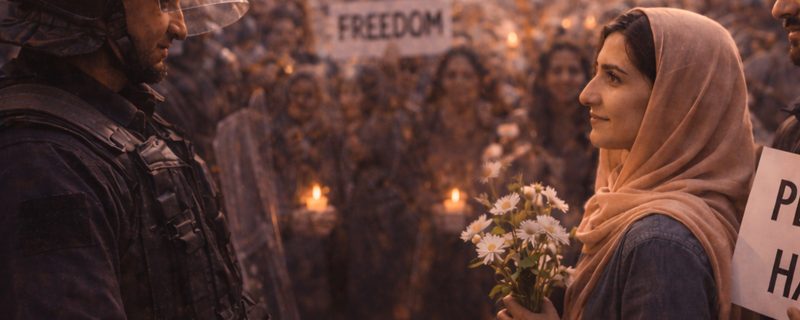
بدن ایرانی به‌مثابه میدان نبرد سیاسی

با انقلاب ۱۳۵۷، رژیم ایران پوشش اسلامی را بر زنان تحمیل کرد و با تصویب قوانین و گزینش ارگان‌هایی چون «ستاد امر به معروف»، حجاب را به قانون تبدیل نمود (نوری، ۲۰۱۳؛ خامنه‌ای، ۱۳۹۸). در طول دوره‌های مختلف – از پهلوی دوم که حجاب را ممنوع می‌کرد تا جمهوری اسلامی که آن را اجباری کرده …

The Iranian Body as a Political Battlefield

Following the 1979 Revolution, the Iranian regime imposed Islamic dress on women and, through legislation and the establishment of institutions such as the Headquarters for the Promotion of Virtue, transformed the hijab into a legal obligation (Nouri, 2013; Khamenei, 2019). Across different political periods—from the later Pahlavi era, when the veil was prohibited, to the …

پارچه‌ی امپراتوری: چگونه امپریالیسم مد را شکل داد، استثمار کرد و تحریف ساخت

در دهه‌های اخیر، پژوهشگران و منتقدان رفته‌رفته آشکار کرده‌اند که امپریالیسم چگونه ردّ خود را بر تار و پود پوشش جهانی بر جای گذاشته است؛ میراثی از سلطه که در سبک‌ها، زنجیره‌های تأمین و زیبایی‌شناسی‌ها تنیده شده است. به‌اختصار، استدلال چنین پیش می‌رود: قرن‌ها حکومت استعماری، سنت‌های بومی پوشش را ویران، جذب و بی‌اثر کرد …

The Fabric of Empire: How Imperialism Shaped, Exploited, and Distorted Fashion

In recent decades scholars and critics have begun to expose how imperialism has left its mark on the very fabric of global dress – a legacy of domination woven into styles, supply chains, and aesthetics.  In brief, this argument runs like this: centuries of colonial rule destroyed and subsumed indigenous clothing traditions, replacing them with …

مد، جامعه و دموکراسی در ایران

در ایران مدرن، مد روایتی تزئینی و حاشیه‌ای در کنار سیاست نیست؛ بلکه یکی از اصلی‌ترین میدان‌هایی است که دولت در آن می‌کوشد سوژه‌هایی مطیع بسازد و جامعه در آن آینده‌هایی دموکراتیک‌تر را تمرین می‌کند. در سراسر قرن گذشته، دولت‌های ایران بارها پوشش زنان را به مسئله‌ای حکومتی تبدیل کرده‌اند: کشف حجاب اجباری رضاشاه در …

Fashion, Society, and Democracy in Iran

In modern Iran, fashion is not a decorative side story to politics; it is one of the principal terrains on which the state tries to make obedient subjects and on which society rehearses more democratic futures. Across the last century, Iranian governments have repeatedly treated women’s dress as a state problem: Reza Shah’s forced unveiling …

علیه نفرت، علیه استبداد: انضباطِ صلح در هفتهٔ اعتراضاتِ ایران

در خیابان‌های ایران طی هفته‌ی گذشته، هوا آکنده از خشم و سرخوردگی بوده است. جمعیت‌هایی از مردم عادی، جان و امنیت خود را به خطر انداخته‌اند تا علیه بی‌عدالتی‌ها و محدودیت‌هایی که بر آزادی‌هایشان تحمیل شده، اعتراض کنند. مطالباتشان واقعی است و میل به آن‌که خشم را متوجه صاحبان قدرت کنیم، قابل فهم است. اما …

Against Hatred, Against Tyranny: The Discipline of Peace in Iran’s Week of Protest

In the streets of Iran this past week, the air has been thick with anger and frustration. Crowds of ordinary people have risked their safety to protest injustices and restrictions on their freedoms. Their grievances are real, and the impulse to direct rage at those in power is understandable. Yet amid the slogans and fiery …

سماعِ رو به آینده: آیین صوفیانه، شمس تبریزی و بقای نیایشِ مقدس در عصر فناوری

در سالنی تاریک، زیر صورت‌های فلکیِ الکترونیکی، درویشی تنها می‌چرخد؛ دامنِ سفیدش با رگه‌هایی از نور می‌درخشد و هر چرخش، نقش‌هایی نورانی بر دیوارها می‌پراکند. در این چشم‌اندازِ آینده‌گرا، درویشِ سماع‌گر زیر ستاره‌های نئونی ردایی درخشان بر تن دارد؛ هوا از سرودی دیجیتال می‌لرزد، اما چشمان او در نیایش بسته است. این نه اجراست و …

Whirling Toward the Future: Sufi Ceremony, Shams Tabrizi, and the Survival of Sacred Prayer in a Technological Age

In a darkened hall beneath electronic constellations, a lone dervish turns. His white skirt glows with threads of light, each spin casting luminous patterns on the walls. **** In this futuristic vision, the whirling dervish wears illuminated robes under neon stars. The air hums with a digital hymn, yet his eyes are closed in prayer. …