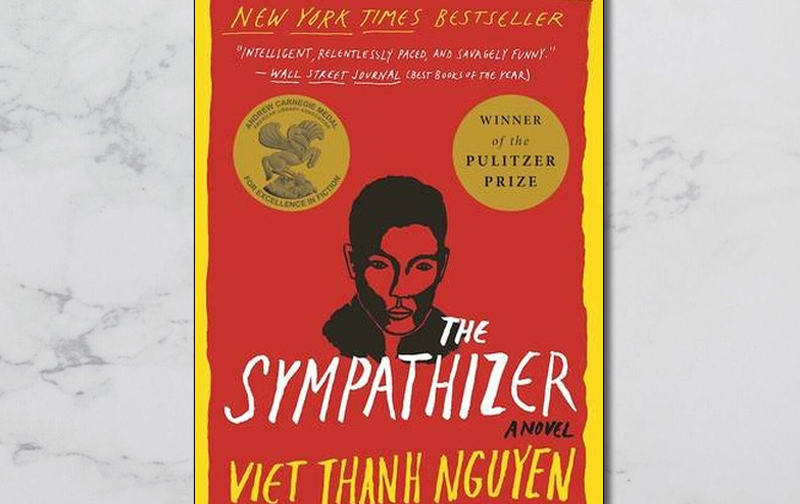
Viet Thanh Nguyen’s The Sympathizer is a profound exploration of identity, politics, and cultural dichotomies, set against the backdrop of the Vietnam War and its aftermath. The novel’s narrative intricately weaves historical realities with fictional introspection, offering readers a lens into the complexities of the human psyche during tumultuous times. Nguyen’s protagonist, a half-French, half-Vietnamese communist double agent, embodies the conflicts of duality, espionage, and exile, reflecting the broader struggles of a nation torn apart by war.
The novel’s literary style is both compelling and innovative. Nguyen employs a first-person narrative, presenting the protagonist’s confession in a reflective and introspective tone. This approach offers readers intimate access to the character’s internal conflicts and perceptions. The prose oscillates between lyrical descriptions and sharp, critical commentary, effectively capturing the complexities of post-war experiences and the intricacies of espionage. The narrative is darkly satirical, wrought with nuance, and relentlessly political, crafting its politics within the form of the novel, which is an epistolary confession told by an anonymous narrator.
Nguyen’s narrative is set against the backdrop of the Vietnam War and its aftermath, a period marked by significant cultural and stylistic shifts. The novel references traditional Vietnamese attire, such as the áo dài, juxtaposed with Western fashion influences, symbolizing the cultural intersections and conflicts experienced by the characters. This blend of Eastern and Western fashion elements mirrors the protagonist’s dual identity and the broader theme of cultural assimilation and resistance.
In the recent adaptation of The Sympathizer, costume designer Danny Glicker meticulously crafted wardrobes that reflect the intricate identities and transformations of the characters. Glicker’s designs are not merely clothing but narrative tools that convey class, time, location, emotion, and character development. His thoughtful approach involved extensive research and collaboration with director Park Chan-wook, ensuring that each costume resonated with authenticity and depth.
The transition of characters from Vietnam to Southern California is subtly mirrored in their attire. As refugees adapting to a new environment, their clothing reflects both the remnants of their past and the influences of their new surroundings. This sartorial evolution underscores the themes of displacement and cultural assimilation central to the narrative. Glicker’s attention to these details enriches the storytelling, allowing viewers to witness the characters’ journeys not just through their actions and dialogues but also through their evolving appearances.
The novel’s engagement with Western literary traditions is evident, drawing parallels to works like Ralph Ellison’s Invisible Man, while simultaneously subverting these influences to articulate a unique Vietnamese-American voice. This interplay of fashion and writing style enriches the narrative, offering readers a multifaceted exploration of identity, culture, and the enduring impacts of war.
In essence, The Sympathizer not only tells a gripping story but also showcases Nguyen’s mastery in blending thematic depth with stylistic innovation. The interplay of fashion and writing style enriches the narrative, offering readers a multifaceted exploration of identity, culture, and the enduring impacts of war.