Fashion as Social Identity in Buñuel’s Films, Capitalism, Bourgeois Society

Luis Buñuel is widely regarded as one of the most innovative filmmakers of the 20th century. Known for his subversive approach to cinema, Buñuel’s work consistently challenged societal norms, including those of class, religion, and authority. However, one aspect of his filmmaking that is often overlooked is the role of fashion and costume design in …

Pasolini, Fashion, Dialectical Marxism and Consumerism

Pier Paolo Pasolini remains one of the most influential and complex figures in 20th-century cultural and political thought. As a poet, journalist, filmmaker, and intellectual, his work traversed multiple artistic disciplines, from literature to cinema and visual aesthetics. While much scholarship has focused on his films and political engagement, less attention has been given to …

Fashion and Left-Wing Politics in the Films of Jean-Luc Godard

Jean-Luc Godard’s films are often discussed in terms of political radicalism, narrative experimentation, and cinematic innovation, but his approach to art direction—including costume design, set aesthetics, and color composition—remains one of the most striking yet underexamined aspects of his visual language. More than mere mise-en-scène, Godard’s art direction functions as fashion in itself, shaping the …

Fashion and Leftist Politics: Vanity, Consumerism, and Resistance

Fashion is not merely an individual or aesthetic concern—it is a deeply sociological phenomenon that reflects class dynamics, economic systems, and ideological struggles. It serves both as a tool of oppression and a means of resistance. Within left-wing political thought, fashion has been scrutinized as a site of capitalist exploitation, class distinction, and ideological conditioning. …

Cosmetic Surgery, Cultural Norms, and the Pursuit of Aesthetic Capital

In contemporary society, the pursuit of beauty has transcended personal preference, evolving into a complex interplay of cultural norms, technological advancements, and economic imperatives. Procedures such as plastic surgery, filler injections, and Botox have become increasingly prevalent, reflecting deeper sociological dynamics. This article delves into the sociological underpinnings of these practices, examining how they shape …

Responsibility in Fashion’s Ongoing Appropriation Debate

Fashion has long been a means of artistic and cultural expression, functioning as both an aesthetic statement and a reflection of societal values. Over time, designers, artists, and brands have drawn inspiration from various artistic and cultural traditions to create new and compelling narratives in clothing and aesthetics. However, this process of borrowing elements from …

Escapism and Appropriation Art

Escapism is a fundamental human tendency, a response to reality’s difficulties that manifests across philosophy, literature, and the arts. It functions as a psychological and creative mechanism through which individuals temporarily detach from their immediate concerns, seeking solace in alternative realms of thought, imagination, and experience. Historically, writers and artists have engaged with escapism in …

Religion, Dress and the Body (2)

Cultural and religious groups have long utilized dress to demarcate their identities. For example, traditional garments such as the hijab in Islamic cultures, the Sikh turban, or the Jewish kippah are not merely fashion choices but powerful symbols of faith and commitment to a shared set of values. In such cases, the wearing of particular …

مذهب، لباس و بدن (۱)

لباس پنجره‌ای‌ست که از ان می‌توانیم به یک فرهنگ نگاه کنیم، زیرا از نظر بصری ایده‌ها، مفاهیم و مقولات اساسی آن فرهنگ را نشان می‌دهد. سن، جنسیت، قومیت و مذهب به تعیین موقعیت اجتماعی افراد کمک می‌کند دیده شوند و زمانی که فرهنگ‌ها لباس را برجسته می‌کنند، نمایان می‌شوند. اصطلاح “لباس” در جهانی ترین معنای …

Religion, Dress and the Body (1)

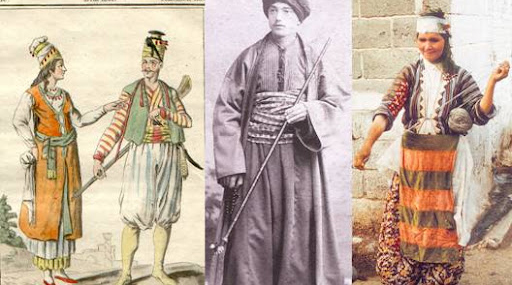
Dress provides a window through which we might look into a culture, because it visually attests to the salient ideas, concepts and categories fundamental to that culture. Age, gender, ethnicity and religion help to define a person’s social location and are made visible when cultures make dress salient. The term ‘dress’ is used in the …