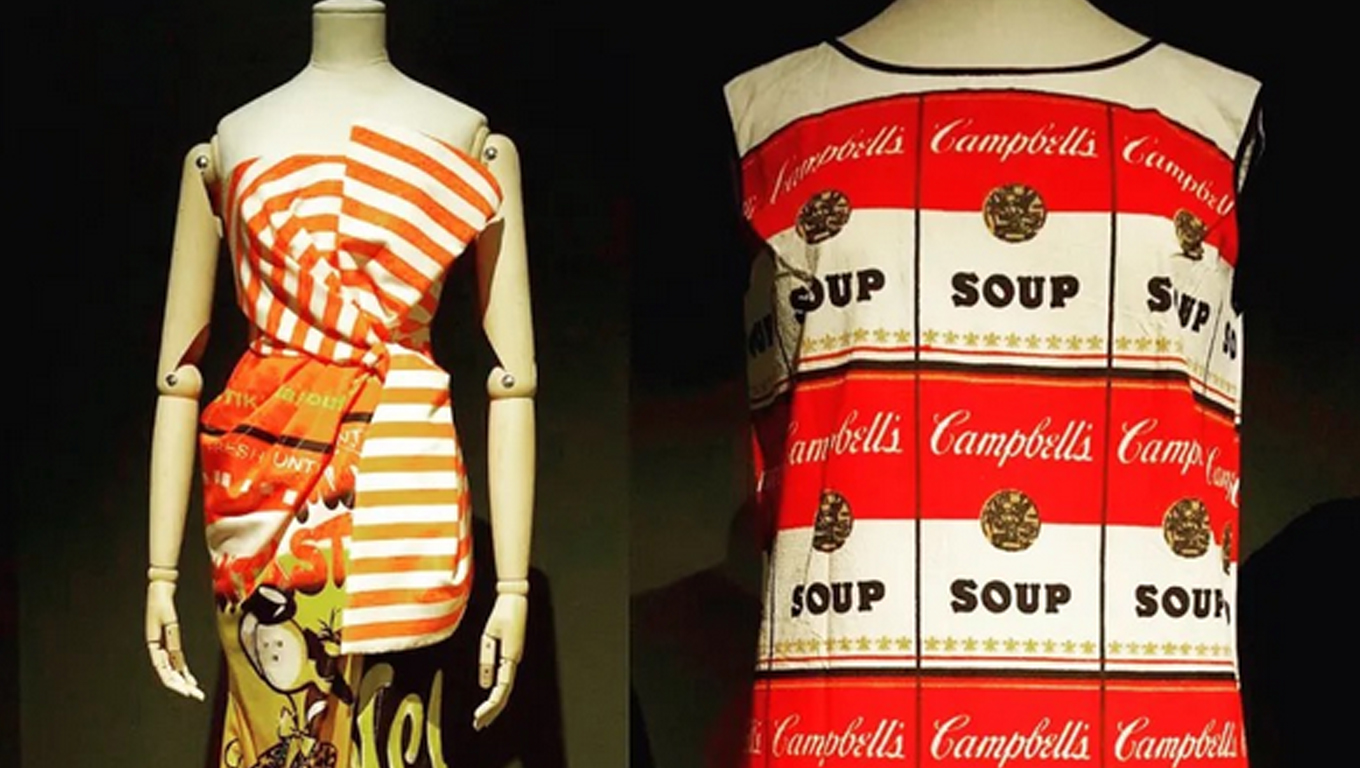
Consumer society thrives on a complex web of desires, illusions, and economic imperatives. At its core, it operates by fostering endless consumption, convincing individuals that their worth and identity are tied to their purchasing power. One of the most powerful and insidious industries in this system is fashion, which not only dictates trends but also manipulates social hierarchies, commodifies self-expression, and perpetuates economic inequalities.
This article critically examines the vulgarity of consumer society through the lens of fashion, arguing that the industry perpetuates artificial needs, alienation, and economic exploitation. Drawing from sociological, philosophical, and economic perspectives, it debunks the misconception that fashion is simply a form of artistic or personal expression. Instead, fashion functions within the framework of consumerism as a mechanism of control, reinforcing the structures of capitalism, and maintaining class divisions.
One of the central myths propagated by consumer capitalism is the illusion of choice. While fashion markets itself as a form of self-expression, it operates within a rigid system of trends dictated by corporations, media conglomerates, and cultural elites. As sociologist Jean Baudrillard argues in The Consumer Society (1970), the choices presented to consumers are not genuine but rather pre-engineered forms of conformity. Every season, new styles emerge, not as organic cultural expressions but as manufactured cycles that force consumers to update their wardrobes to remain socially relevant.
German philosopher Herbert Marcuse, in One-Dimensional Man (1964), describes this phenomenon as the creation of “false needs”—desires that appear essential but are, in reality, imposed by capitalist systems to sustain continuous consumption. Fashion exemplifies this process by convincing individuals that their worth is tied to keeping up with trends, even though these trends are arbitrarily determined by economic interests rather than genuine cultural evolution.
In consumer society, fashion is marketed as a means of self-expression, yet it paradoxically strips individuals of true agency. Clothing, once a practical necessity, has been transformed into a commodity that signals wealth, status, and social belonging. French philosopher Pierre Bourdieu, in Distinction (1979), explores how taste in fashion is not an individual preference but a product of class conditioning. The bourgeoisie, for instance, sets aesthetic norms that separate them from the lower classes, ensuring that their fashion remains exclusive and inaccessible.
This commodification of identity is particularly evident in the way brands dictate value. Designer labels are not necessarily superior in quality but derive their prestige from their price and exclusivity. Consumers are led to believe that purchasing these items grants them higher social status, even though their participation in this system merely reinforces economic stratification.
Fast fashion, a byproduct of hyper-consumerism, epitomizes the wasteful nature of modern capitalism. Companies produce cheap, disposable clothing at an unprecedented rate, encouraging consumers to constantly replace their wardrobes. This phenomenon has severe environmental and social consequences:
The fashion industry is responsible for nearly 10% of global carbon emissions, more than the aviation and shipping industries combined.
The overproduction of clothing leads to enormous textile waste, with landfills overflowing with discarded garments.
Exploitative labor conditions in developing countries ensure that clothing remains cheap, but at the cost of human rights violations and worker exploitation.
This cycle of excess reflects the superficiality of consumer culture—an endless pursuit of novelty that prioritizes profit over sustainability. Despite growing awareness of these issues, most consumers remain trapped in a system that equates frequent consumption with social relevance.
An ironic development in consumer fashion is the rise of “minimalist luxury.” Brands now market simplicity as a form of status, promoting expensive, understated designs that signal wealth through subtlety rather than ostentation. This shift does not represent a rejection of consumerism but rather its evolution. As Thorstein Veblen argues in The Theory of the Leisure Class (1899), the elite often disguise their wealth through “conspicuous leisure” rather than blatant material excess. The modern bourgeoisie signals its privilege not through logos but through knowledge of exclusive, understated brands known only within elite circles.
This contradiction exposes the hypocrisy of consumer fashion: even anti-materialist aesthetics are commodified, ensuring that capitalism remains the ultimate beneficiary of any cultural shift.
Consumer fashion not only affects economies and the environment but also has deep psychological consequences. The pressure to conform to trends fuels anxiety, insecurity, and a sense of inadequacy among consumers. Social media exacerbates this issue by constantly showcasing idealized images of wealth, beauty, and style, reinforcing the idea that one’s value is tied to their appearance.
Marxist theorist Georg Lukács, in his concept of “reification,” explains how capitalism reduces human interactions to transactions. Fashion, under consumer capitalism, turns self-expression into a purchasable commodity. People are not encouraged to develop genuine personal styles but to conform to the fleeting dictates of fashion elites. This detachment from authentic individuality leads to a state of alienation, where individuals feel disconnected from their true selves and pressured to buy their way into social acceptance.
Fashion brands deliberately prey on human insecurities to sustain demand. Advertisements are designed to make consumers feel inadequate without their products, creating a perpetual cycle of desire and dissatisfaction. As French philosopher Gilles Lipovetsky argues in The Empire of Fashion (1987), modern fashion operates as a form of soft control, where individuals willingly participate in their own subjugation, believing that their consumer choices define their worth.
This manipulation is especially evident in the beauty and wellness industries, where the promise of self-improvement is tied to purchasing power. The commodification of youth, beauty, and desirability ensures that individuals remain dependent on consumer goods to maintain their social appeal.
While consumer society thrives on excess, there are emerging movements advocating for more ethical approaches to fashion. Slow fashion, ethical labor practices, and sustainable materials offer alternatives to the destructive cycles of fast fashion. However, it is crucial to recognize that ethical consumption alone is not enough to dismantle the capitalist structures that perpetuate inequality.
A truly revolutionary approach to fashion would involve rejecting its role as a marker of status and embracing it as a functional, creative, and sustainable practice. This means moving beyond brand-driven identities and fostering a culture where clothing is valued for its craftsmanship and durability rather than its trendiness or exclusivity.
The vulgarity of consumer society is nowhere more evident than in the world of fashion, where artificial desires, economic exploitation, and environmental destruction converge. Despite its claims of self-expression, the fashion industry operates primarily as a mechanism of capitalist control, reinforcing class divisions and perpetuating cycles of consumption.
A critical examination of fashion reveals that true personal expression cannot be bought—it must be cultivated outside the dictates of consumer culture. To move beyond the superficiality of bourgeois fashion, individuals must challenge the systems that commodify identity, reject the illusion of choice in trend culture, and embrace sustainable and ethical alternatives. Only then can fashion become a tool of genuine self-expression rather than a vehicle for capitalist exploitation.
As German philosopher Theodor Adorno argues in The Culture Industry: Enlightenment as Mass Deception (1944), capitalist societies present mass-produced goods as markers of individual distinction, yet these products ultimately conform to market-driven standards. In fashion, this manifests in the endless cycle of seasonal trends, where consumers are pressured to adopt new styles not based on personal taste but on externally imposed norms.
Similarly, in beauty culture, the pursuit of uniqueness paradoxically results in uniformity. From the rise of the “Instagram face” to cosmetic procedures that produce identical facial features, beauty standards are becoming increasingly homogenized. The industry thrives on selling slight variations of the same idealized look, ensuring that consumers remain trapped in an endless quest for “perfection” without ever achieving true individuality.
Beauty, once considered an intrinsic and diverse human characteristic, has been reduced to a marketable commodity. The rise of influencer culture and digital aesthetics has transformed personal appearance into a form of social currency, where value is determined by attractiveness, youth, and conformity to prescribed beauty standards.
French philosopher Jean Baudrillard, in Simulacra and Simulation (1981), argues that consumer society replaces reality with hyperreality—where representations of beauty become more real than natural beauty itself. Filters, plastic surgery, and makeup trends create an artificial version of beauty that no longer corresponds to human diversity but instead follows a market-driven aesthetic ideal. This shift has profound psychological effects, as individuals internalize unattainable standards, leading to anxiety, body dysmorphia, and an unhealthy obsession with appearances.
Fashion was once a realm of artistry, where designers, tailors, and craftspeople created garments that reflected cultural narratives, artistic movements, and technical mastery. Haute couture, for instance, embodied a deep engagement with materiality, handcraft, and innovation. However, modern fashion, especially in the fast-fashion era, prioritizes mass production, profit maximization, and marketing over artistic integrity.
Luxury fashion, once synonymous with craftsmanship, has increasingly adopted vulgar commercial strategies, relying on celebrity endorsements, logo-mania, and hype culture rather than artistic design. The rise of collaborations between luxury brands and pop-culture icons (such as Louis Vuitton x Supreme) exemplifies this shift: the emphasis is no longer on tailoring or innovation but on generating cultural capital and consumer hype.
As sociologist Pierre Bourdieu argues in Distinction (1979), fashion has become a key instrument of social stratification, where the illusion of exclusivity is maintained through branding rather than genuine artistic distinction. The true essence of fashion—its ability to convey cultural and aesthetic depth—has been overshadowed by the spectacle of consumerism.
Fast fashion epitomizes the vulgarization of fashion. Companies such as Zara, H&M, and Shein mass-produce low-quality garments at rapid speeds, ensuring that trends cycle through at an unsustainable pace. This model not only devalues clothing as an artistic medium but also promotes a disposable culture where garments lose meaning and significance.
Walter Benjamin, in The Work of Art in the Age of Mechanical Reproduction (1935), warns against the loss of “aura” in art when it is mechanically reproduced. The same can be applied to fashion: when clothing is mass-produced without thought, care, or artistic intent, it loses its depth and meaning, becoming a mere product of capitalist machinery.
The modern obsession with beauty and fashion has profound psychological effects. The pressure to maintain an idealized appearance fuels anxiety, insecurity, and compulsive consumption. Social media platforms exacerbate this issue, where individuals constantly compare themselves to curated images of perfection.
Slavoj Žižek, in his critique of ideology, argues that consumer capitalism creates dissatisfaction to sustain itself—people are made to feel inadequate so they continue purchasing products in pursuit of unattainable ideals. Beauty culture, particularly in the age of digital media, thrives on this principle, selling the promise of confidence while ensuring that individuals remain trapped in cycles of self-doubt and endless self-improvement.
Fashion and beauty were historically intertwined with cultural identity, ritual, and social meaning. Traditional garments, handmade textiles, and historical beauty practices were rich with symbolism and heritage. However, in consumer society, these cultural expressions are often appropriated, stripped of their original meaning, and repackaged for profit.
For example, indigenous designs are frequently copied by major fashion houses without acknowledgment or compensation. Similarly, beauty standards often appropriate elements from various cultures (such as the fetishization of fuller lips or tanned skin) while maintaining Eurocentric ideals as the dominant standard. This superficial engagement with diverse aesthetics reflects the broader commodification of culture, where beauty and fashion serve not as sites of genuine appreciation but as resources to be exploited for capital.
To counteract the shallowness of consumer fashion, a return to genuine craftsmanship, artistic integrity, and cultural depth is necessary. This means valuing clothing beyond its brand name or trend status—appreciating materials, ethical production, and thoughtful design. Independent designers, sustainable fashion movements, and the slow fashion industry represent efforts to resist the mass-market vulgarity of modern fashion.
A more radical approach to beauty would involve rejecting its commodification altogether. This means moving away from market-driven beauty standards and embracing diverse, non-commercialized forms of self-expression. Rather than allowing corporations to dictate what is beautiful, individuals and communities must reclaim beauty as a personal and cultural experience rather than a consumerist obligation.
The modern beauty and fashion industries, while claiming to celebrate individuality and creativity, often promote superficiality, conformity, and consumerist excess. True artistry and self-expression have been replaced by marketing tactics that exploit insecurity and social status. To move beyond this shallow engagement with aesthetics, society must recognize and challenge the commodification of beauty and fashion. Only by breaking free from the dictates of consumer culture can fashion and beauty be reclaimed as meaningful, artistic, and personal forms of expression rather than tools of capitalist manipulation.