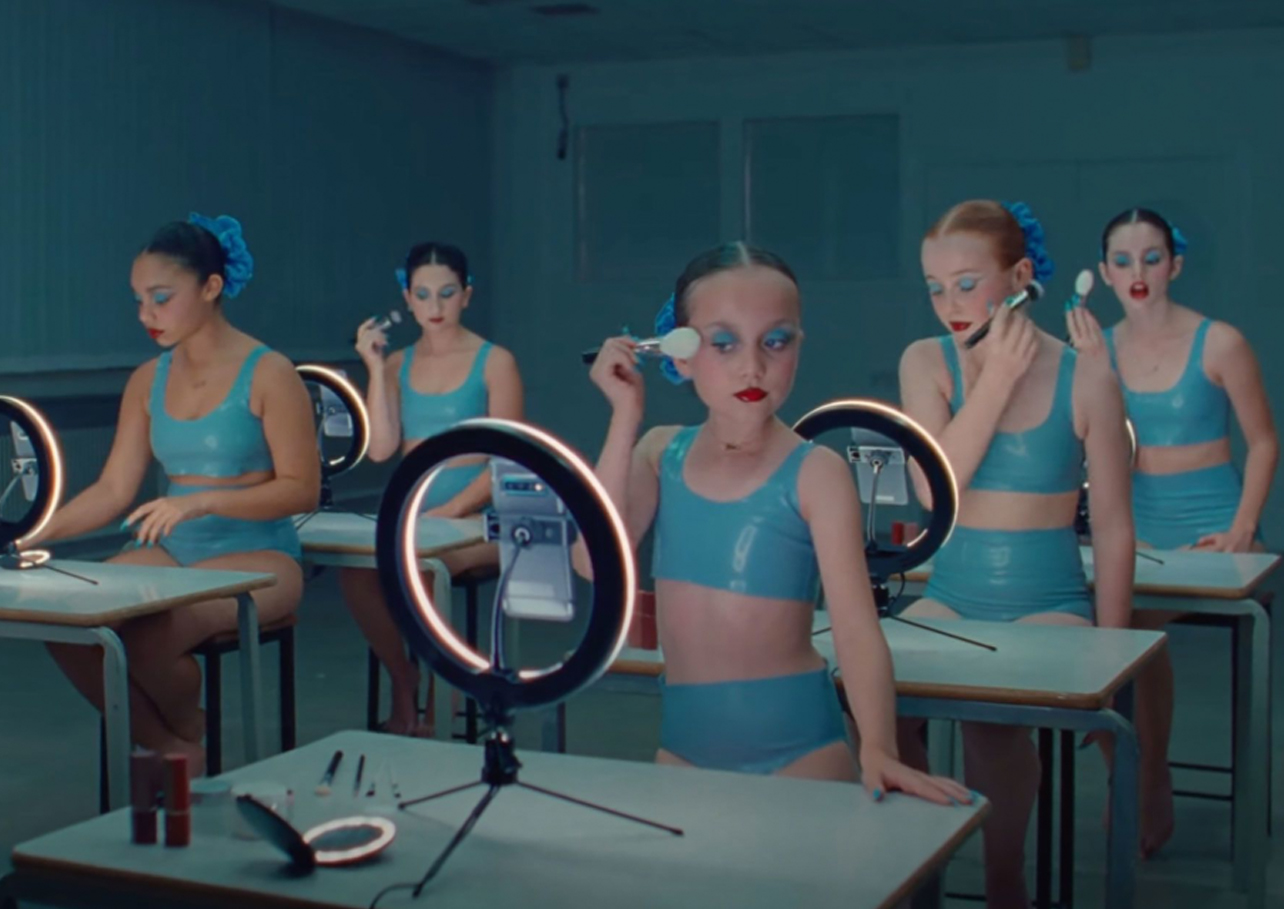
In the modern world, beauty standards have become increasingly rigid and globalized, driven by the forces of capitalism, the fashion industry, and social media. The constant exposure to idealized images of beauty has contributed to widespread mental health issues, particularly among young people. Anxiety, depression, body dysmorphic disorder, and eating disorders have all been linked to unrealistic expectations of physical appearance. From a sociological perspective, beauty is not just an aesthetic preference but a social construct shaped by cultural values, economic interests, and power structures.
Historically, beauty norms varied across cultures and were often tied to health, fertility, and status. In pre-industrial societies, strength and vitality were prioritized over delicate or hyper-feminized features. The industrial revolution and the rise of mass media led to the commodification of beauty, with magazines, advertisements, and Hollywood shaping public perceptions of attractiveness. The twentieth century witnessed rapid transformations in beauty ideals, from the flapper aesthetic of the 1920s to the curvaceous figures of the 1950s and the waif-like models of the 1990s. Today, social media platforms such as Instagram, TikTok, and Snapchat have accelerated and intensified these standards, creating a digital beauty economy where self-worth is increasingly tied to online validation.
Sociological theories offer valuable insights into the impact of beauty norms on individual self-perception. Charles Horton Cooley’s concept of the “Looking-Glass Self” suggests that individuals shape their self-identity based on how they believe others perceive them. In an era dominated by social media engagement, this effect is amplified, as young people receive instant feedback in the form of likes, comments, and followers. Leon Festinger’s Social Comparison Theory further explains how individuals evaluate themselves in relation to others, leading to feelings of inferiority when comparing themselves to highly curated, digitally altered images. Feminist scholars such as Sandra Bartky and Naomi Wolf have argued that beauty standards function as tools of control, keeping individuals—especially women—preoccupied with their appearance rather than engaging in social or political empowerment.
The fashion and beauty industries play a pivotal role in defining and reinforcing these beauty standards. Capitalism and consumerism drive an economy where insecurity is cultivated and exploited for profit. Karl Marx’s concept of commodity fetishism is relevant in understanding how beauty products and fashion items are marketed not just as goods but as symbols of self-worth and success. Pierre Bourdieu’s theory of cultural capital further illustrates how beauty and fashion are forms of social currency, allowing individuals with financial resources to access elite aesthetics while marginalizing those who do not conform. While there has been a growing push for inclusivity, with brands incorporating plus-size models and diverse racial representations, the dominant beauty ideal remains largely Eurocentric and exclusionary.
The emergence of influencer culture has further exacerbated the pressures surrounding beauty. Unlike traditional celebrities, influencers create a perception of relatability while simultaneously promoting unattainable beauty ideals through cosmetic procedures, digital enhancements, and extreme fitness regimens. Augmented reality (AR) technology and beauty filters contribute to aesthetic homogeneity, leading to what researchers have termed “Snapchat Dysmorphia,” where individuals seek plastic surgery to resemble their filtered images. A study published in JAMA Facial Plastic Surgery found that over 55% of plastic surgeons reported an increase in patients requesting procedures to look more like their social media-filtered selves. This trend reflects a broader cultural shift where digital perfection is perceived as the standard, creating widespread dissatisfaction with natural appearances.
The psychological consequences of these unattainable beauty norms are profound. Body dysmorphic disorder (BDD) has become increasingly prevalent, particularly among adolescents who spend significant time on social media. The constant exposure to edited and curated images fosters an obsessive focus on perceived physical flaws, leading to anxiety, depression, and, in extreme cases, self-harm or suicidal ideation. Eating disorders, including anorexia nervosa, bulimia nervosa, and orthorexia, have also surged as diet culture and “clean eating” trends gain traction online. Many fitness and wellness influencers perpetuate restrictive eating patterns under the guise of health, reinforcing the idea that thinness equates to discipline and success.
While much of the discourse on beauty standards focuses on women, men are also increasingly affected. The rise of the “Adonis Complex” highlights the growing pressure for men to attain muscular, lean physiques. The influence of Hollywood, fitness influencers, and social media has contributed to an increase in steroid use, excessive exercise, and disordered eating behaviors among young men. The phenomenon of muscle dysmorphia, or “bigorexia,” reflects a broader societal shift where male attractiveness is increasingly defined by extreme physical conditioning. A study published in the Journal of the American Medical Association found that nearly 30% of teenage boys engage in extreme dieting or excessive exercise to achieve an idealized body.
Cultural variations in beauty norms further complicate the issue. While different regions emphasize distinct physical traits, globalization has led to the widespread adoption of Eurocentric beauty ideals. In countries such as South Korea, Brazil, and India, cosmetic surgery and skin-lightening products have surged in popularity as individuals strive to meet Westernized beauty standards. Sociologist Evelyn Nakano Glenn argues that colorism—a preference for lighter skin tones—has deep historical roots tied to colonialism and class hierarchies. The global beauty industry capitalizes on these insecurities, marketing skin-whitening creams and surgical procedures as pathways to social mobility and desirability.
Governments and regulatory bodies have begun addressing the harmful impact of social media and advertising on mental health. Countries such as Norway and France have passed laws requiring influencers to disclose when their images have been digitally altered, while the UK’s Advertising Standards Authority has banned misleading beauty advertisements. However, such measures remain limited in their effectiveness, as beauty ideals continue to evolve in extreme and unattainable directions. The ethical responsibility of influencers, brands, and media platforms remains a crucial factor in addressing these issues. Some brands, such as Dove with its “Real Beauty” campaign, have sought to challenge conventional beauty standards, though critics argue that corporate inclusivity efforts often remain performative rather than transformative.
Despite the toxic beauty culture perpetuated by social media, counter-movements advocating for self-acceptance and authenticity have gained traction. The body positivity movement has encouraged individuals to embrace diverse body types, though it has faced backlash for allegedly promoting unhealthy lifestyles. In contrast, the body neutrality movement shifts focus away from appearance altogether, emphasizing bodily functionality over aesthetics. Hashtags such as #NoFilter and campaigns promoting unedited images represent efforts to push back against the dominance of digitally enhanced beauty. However, these movements must be intersectional and consider factors such as race, gender identity, and socioeconomic status to be truly inclusive.
The intersection of beauty, fashion, and social media presents a paradoxical reality—one that celebrates diversity while simultaneously enforcing unattainable ideals. The widespread mental health struggles related to body image highlight the urgent need for systemic change. Addressing these issues requires a multi-faceted approach that includes education on media literacy, stricter regulations on digital manipulation, and broader societal shifts toward redefining beauty. By challenging the cultural narratives surrounding physical appearance, society can move toward a future where self-worth is not dictated by filters, likes, or unrealistic expectations, but rather by confidence, authenticity, and mental well-being.