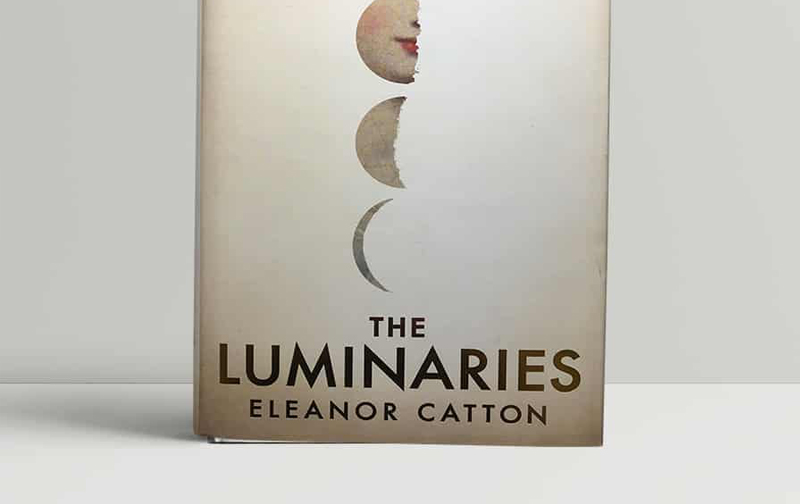
Eleanor Catton’s novel The Luminaries is a remarkable work that intricately weaves together elements of fashion, narrative structure, and a critique of societal norms. Set during the New Zealand gold rush of the 1860s, the story follows Walter Moody, a young prospector who becomes entangled with a secretive group of twelve men, each representing diverse facets of society. These characters are connected through a series of enigmatic events, including the death of a hermit, the disappearance of a young woman, and the unearthing of a substantial fortune. The novel’s unique structure, with its detailed charts and astrological references, serves as a metaphor for the rigid societal structures and expectations of the time.
Central to the novel’s exploration is Anna Wetherell, an opium-addicted prostitute. Her portrayal provides a lens through which Catton critiques the fashion and societal norms of the time. The novel describes Anna’s attire in meticulous detail, highlighting the weight and intricacy of her dresses. These garments, salvaged from shipwrecks, are not merely clothing but symbols of the era’s fashion and the burdens they impose. A discussion among readers raises questions about the practicality of wearing such heavy dresses, suggesting that the inclusion of gold within the seams would make them uncomfortably heavy, challenging the notion that Anna might not have noticed the added weight.
Catton’s writing style further amplifies this critique. The novel’s structure, with its detailed charts and astrological references, serves as a metaphor for the rigid societal structures and expectations of the time. Just as the characters are bound by fate and fortune, they are also confined by the societal norms and fashion dictates of their era. The meticulous attention to detail in describing attire and settings not only immerses the reader in the historical context but also prompts reflection on the constraints imposed by societal expectations. Catton’s commitment to the artificiality of her project is complete, making readers aware of the constructed nature of the narrative and, by extension, the constructed nature of societal norms and expectations.
The critique of fashion within The Luminaries extends beyond the physical garments to encompass the performative aspects of societal roles. Characters navigate a world where appearances are meticulously crafted, and identities are often constructed to align with societal expectations. This performativity is evident in the characters’ interactions and the roles they assume, highlighting the tension between individual desires and societal pressures. Catton’s portrayal of Anna Wetherell, for instance, underscores the performative nature of her profession and the societal judgments she faces, shedding light on the complexities of identity and the impact of societal norms on personal choices.
In essence, The Luminaries offers a multifaceted examination of fashion, narrative structure, and societal critique. Through its richly woven narratives and complex characters, the novel invites readers to reflect on the ways in which fashion and societal norms shape individual identities and destinies. Catton’s work stands as a testament to the intricate interplay between personal choices and societal expectations, all set against the backdrop of a transformative period in New Zealand’s history. By intertwining detailed descriptions of attire with the broader themes of fate and societal influence, Catton crafts a narrative that is both a historical exploration and a timeless commentary on the human condition.