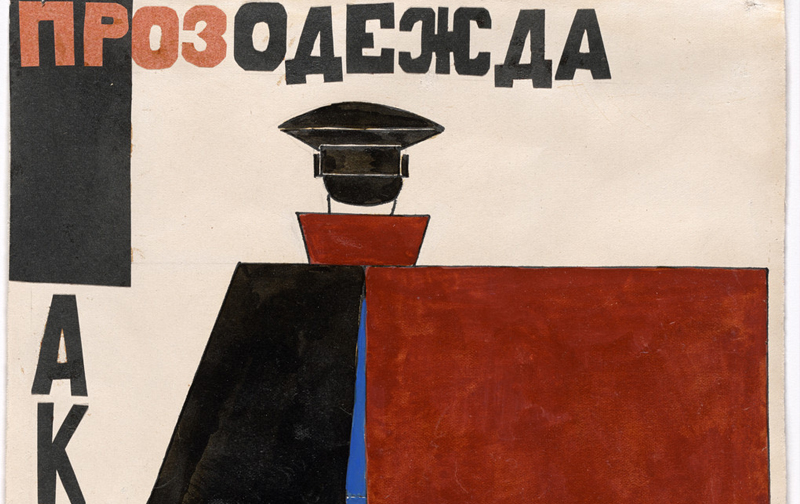
Left-wing fashion has played a significant role in shaping cultural, political, and social narratives across the globe. From its roots in working-class movements to its contemporary interpretations in global streetwear and high fashion, left-wing fashion communicates resistance, solidarity, and alternative ideologies through style. The global dimensions of left-wing fashion reveal complex intersections between aesthetics, politics, and identity, reflecting regional struggles, global solidarity movements, and evolving cultural discourses.
Historically, left-wing fashion emerged as a visual response to class struggles and political ideologies advocating for social equality. In the late 19th and early 20th centuries, the proletarian uniform became a symbol of solidarity among workers. Functional, utilitarian clothing like overalls and plain shirts represented the rejection of bourgeois extravagance and the embrace of collective identity. The Russian Revolution of 1917 further highlighted the role of fashion in leftist movements. Designers like Varvara Stepanova and Liubov Popova embraced Constructivism, integrating geometric forms and utilitarian designs to reflect revolutionary ideals. Their work rejected Western decadence and sought to design clothing that was practical, affordable, and reflective of socialist values.
Similarly, in China, the Mao suit became a symbol of proletarian unity and socialist ideology. The uniform, inspired by Sun Yat-sen’s design, represented a break from Western colonial influence and traditional hierarchies. The standardization of dress during the Cultural Revolution reinforced egalitarian ideals while also being a tool of political conformity. In Cuba, revolutionary figures like Che Guevara and Fidel Castro popularized military fatigues as symbols of anti-imperialism and resistance. These garments were not only practical for guerrilla warfare but also visually communicated defiance against Western imperialism. The global influence of these aesthetics is evident in the continued use of military-inspired fashion in contemporary protest movements.
Left-wing fashion also intersects with feminist movements. In the 1960s and 70s, second-wave feminists challenged gender norms through fashion. Rejecting restrictive garments like corsets and high heels, feminists embraced practical clothing such as jeans and unisex styles. The rise of punk fashion in the 1970s, led by designers like Vivienne Westwood, also embodied leftist critiques of capitalism and social conformity. The DIY ethos of punk fashion, characterized by ripped clothing, safety pins, and anarchic symbols, expressed a radical rejection of mainstream consumer culture and authority. Punk fashion became a global phenomenon, influencing youth movements across Europe, the Americas, and Japan, thereby demonstrating the transnational dimensions of left-wing aesthetics.
The Black Panther Party in the United States used fashion as a form of political expression and empowerment. The party’s signature look—black leather jackets, berets, and sunglasses—projected strength, unity, and resistance against racial oppression. This aesthetic not only became iconic in the struggle for civil rights but also influenced global movements advocating for racial and social justice. The global impact of the Black Panther aesthetic is evident in contemporary fashion collaborations and streetwear that draw inspiration from these symbols of resistance.
Globalization has further expanded the dimensions of left-wing fashion. In Latin America, indigenous communities and leftist movements use traditional garments to assert cultural identity and resist neoliberal policies. The Zapatista movement in Mexico, for instance, employs indigenous clothing as part of its anti-globalization stance. These visual strategies communicate local resistance while resonating with global audiences concerned with social justice. In Africa, fashion has been used to reclaim narratives and challenge colonial legacies. Designers like Selly Raby Kane in Senegal incorporate traditional textiles and contemporary designs to critique global capitalism and celebrate African identities. The intersection of fashion and leftist politics in African contexts reflects ongoing struggles for decolonization and cultural sovereignty.
In Europe, the anti-globalization protests of the late 20th and early 21st centuries showcased diverse left-wing fashion styles. Protesters adopted clothing that conveyed anti-capitalist messages, from anti-brand T-shirts to black bloc attire. The use of black clothing and masks by anarchist groups signified anonymity, collective identity, and resistance. These fashion choices demonstrated how global protest movements utilized visual strategies to communicate political messages across cultural contexts.
The rise of sustainable and ethical fashion in recent years reflects contemporary left-wing concerns about environmental justice, labor rights, and ethical consumption. Brands that prioritize fair trade, eco-friendly materials, and transparent supply chains align with leftist critiques of fast fashion and consumer exploitation. Designers such as Stella McCartney advocate for sustainable practices, demonstrating how leftist ideologies continue to influence the global fashion industry.
Additionally, the slow fashion movement encourages consumers to reject mass production in favor of sustainable, locally made garments, reflecting leftist principles of community, sustainability, and anti-consumerism.
Fashion also plays a crucial role in LGBTQ+ movements, where left-wing ideologies advocate for gender fluidity and inclusivity. Queer fashion challenges heteronormative standards by embracing androgyny, drag, and unconventional styles. Designers like Jean-Paul Gaultier and Alexander McQueen incorporated gender-fluid aesthetics, pushing the boundaries of fashion norms. The global visibility of queer fashion in media and fashion shows contributes to broader discussions about identity, representation, and social equality.
Streetwear, a global fashion phenomenon, also carries leftist connotations. Emerging from hip-hop culture, skateboarding communities, and Japanese street fashion, streetwear embodies anti-establishment attitudes. Brands like Supreme and Off-White initially embraced countercultural aesthetics before becoming mainstream. This transition raises questions about the commodification of resistance and how left-wing fashion navigates global capitalism. Despite commercialization, streetwear remains a platform for political expression, with collaborations and limited-edition releases often addressing social issues.
Digital media has further globalized left-wing fashion.
Social media platforms enable activists, designers, and consumers to share and amplify fashion narratives connected to social justice movements. Hashtags like #WhoMadeMyClothes highlight labor rights issues, while campaigns supporting Black Lives Matter, climate justice, and gender equality use fashion as a form of visual activism.
The democratization of fashion through digital spaces allows for diverse voices to shape global fashion discourses, reflecting contemporary leftist ideals of inclusivity and accessibility.
Fashion weeks and industry events also reflect the influence of left-wing ideologies. Runways increasingly feature diverse models, sustainable designs, and political themes. Designers use fashion shows as platforms to address issues such as immigration, climate change, and gender rights. This trend demonstrates how the global fashion industry engages with political discourses, using aesthetics to advocate for social change.
The relationship between fashion and left-wing politics is not without contradictions. The commodification of radical aesthetics by luxury brands raises concerns about the dilution of political messages. When symbols of resistance become fashion trends, their original meanings risk being co-opted for profit. This tension underscores the complexities of maintaining authenticity and political integrity within a global capitalist system. However, these contradictions also highlight the adaptability and resilience of left-wing fashion. The continuous reinterpretation of revolutionary aesthetics ensures that fashion remains a dynamic medium for political expression.
Ultimately, the global dimensions of left-wing fashion reveal its power to communicate ideologies, foster solidarity, and challenge dominant narratives. Fashion serves as both a personal and collective expression of political beliefs, reflecting historical struggles and contemporary concerns. From the utilitarian designs of early socialist movements to the gender-fluid styles of contemporary fashion, left-wing aesthetics continue to inspire critical engagement with issues of power, identity, and justice. The evolving nature of left-wing fashion, influenced by regional contexts, cultural exchanges, and digital technologies, demonstrates its enduring relevance in shaping global discourses on style and society.