Left-wing political ideologies and natural beauty in the fashion world are two seemingly distinct concepts, yet they intersect in intriguing ways. To understand this relationship, it is important to delve into the core principles of left-wing politics, which center on equality, social justice, and the redistribution of power and resources. These ideologies promote inclusivity, diversity, and the dismantling of oppressive systems. In the context of the fashion world, natural beauty represents an evolving narrative that challenges traditional standards, celebrates authenticity, and promotes body positivity. The fusion of these elements can be observed in how fashion brands, designers, and movements align their values with progressive politics, pushing for sustainable practices, ethical labor, and the celebration of diverse identities.
Left-wing politics, at its core, emphasizes the welfare of the collective, advocating for systems that reduce inequality and provide opportunities for all, regardless of socioeconomic status. Historically, left-wing movements have fought for workers’ rights, gender equality, and racial justice. These movements recognize that societal structures often privilege certain groups while marginalizing others. The fashion industry, long criticized for perpetuating unrealistic beauty standards and exploiting labor in developing countries, has begun to reckon with these issues. As the political landscape shifts, so does the approach to fashion, leading to a growing demand for ethical production, fair wages, and sustainable materials. The alignment of left-wing ideologies with these demands is not coincidental. The push for transparency and accountability within the fashion industry reflects broader political conversations about power dynamics, equity, and representation.
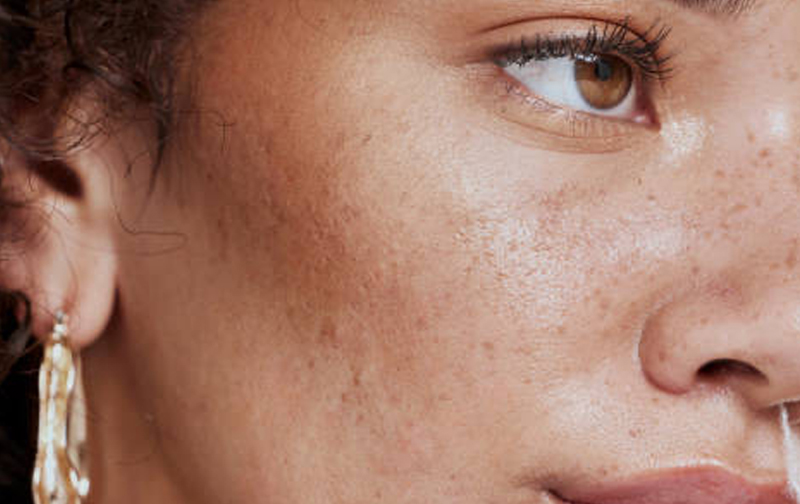
Natural beauty in fashion challenges conventional norms by celebrating individuality and authenticity. It rejects the homogenized standards that have dominated the industry for decades, where specific body types, skin tones, and facial features were idealized. Instead, the emphasis is placed on embracing one’s natural appearance, highlighting that beauty comes in diverse forms. This shift towards natural beauty is deeply connected to left-wing ideals of inclusivity and acceptance. The fashion industry’s embrace of models of various sizes, ethnicities, and abilities represents a rejection of elitism and an acknowledgment of the beauty inherent in diversity. Campaigns that feature minimal makeup, unretouched photographs, and everyday people further this narrative, signaling a break from the industry’s historically narrow definitions of beauty.
Sustainability is another crucial point where left-wing politics and fashion intersect. The fast fashion model, driven by consumerism and profit, often relies on exploitative labor practices and environmentally damaging processes. Left-wing ideologies critique such capitalist structures, advocating for systems that prioritize human and environmental well-being over profit. In response, many fashion brands are adopting sustainable practices, using organic materials, recycling fabrics, and implementing ethical labor policies. These shifts reflect a growing consciousness about the impact of fashion on the planet and its people. The concept of slow fashion, which encourages mindful consumption and values quality over quantity, aligns with leftist critiques of overconsumption and environmental degradation.
Moreover, the fashion industry’s role as a cultural force cannot be understated. Fashion not only reflects societal values but also has the power to influence them. Designers and brands that incorporate political messages into their work contribute to the broader discourse on social issues. For example, collections that highlight feminist themes, support LGBTQ+ rights, or address racial injustice use fashion as a platform for activism. This blending of art and politics underscores the potential for fashion to be a vehicle for change, promoting the values of equality and justice central to left-wing thought. The use of fashion shows, advertisements, and social media campaigns to amplify these messages demonstrates how the industry can contribute to cultural shifts towards more progressive values.
The notion of natural beauty also plays a role in challenging the commodification of appearance. In a capitalist framework, beauty is often marketed as something that can be bought, with industries profiting from products and procedures designed to help individuals conform to certain standards. The left-wing critique of this commodification highlights how such standards can be oppressive, particularly for women and marginalized communities. By embracing natural beauty, the fashion world participates in a broader resistance to these pressures, promoting self-acceptance and challenging the idea that worth is tied to appearance. This movement towards authenticity not only empowers individuals but also disrupts the profit-driven motives of industries that thrive on insecurity.
Representation is another area where left-wing ideologies and fashion converge. For decades, the fashion industry has been criticized for its lack of diversity, often favoring Eurocentric beauty ideals and excluding people of color, plus-size individuals, and those with disabilities. The push for greater representation is a reflection of the left-wing commitment to inclusivity and the dismantling of systemic biases. Fashion brands that prioritize diverse casting, collaborate with designers from underrepresented backgrounds, and create collections that cater to a wide range of consumers are actively contributing to a more equitable industry. This shift is not only ethically significant but also commercially beneficial, as consumers increasingly demand that the brands they support reflect their values.
The rise of social media has further amplified these conversations, providing a platform for voices that were previously marginalized. Influencers and activists use these platforms to challenge industry norms, promote sustainable brands, and celebrate natural beauty. The democratization of fashion through social media aligns with left-wing ideals of access and representation, allowing individuals to shape trends and narratives outside traditional power structures. This shift challenges the gatekeeping role historically held by elite fashion institutions, enabling a more diverse range of perspectives to influence the industry. Social media also provides a space for accountability, where brands are called out for unethical practices and pressured to align with progressive values.
Labor rights are a critical issue where left-wing politics and fashion intersect. The global fashion industry relies heavily on garment workers, many of whom are women in developing countries, working in poor conditions for low wages. Left-wing ideologies advocate for the rights of these workers, demanding fair wages, safe working environments, and the right to unionize. The fashion industry’s complicity in labor exploitation has come under increased scrutiny, particularly following tragedies like the Rana Plaza collapse in Bangladesh. In response, some brands have committed to ethical production practices, ensuring that workers are treated fairly and paid living wages. This commitment reflects a broader political demand for economic justice and the protection of workers’ rights.
The concept of decolonization also plays a role in the intersection of left-wing politics and fashion. The fashion industry has a history of cultural appropriation, where elements of marginalized cultures are used without acknowledgment or compensation. Left-wing critiques highlight how this practice perpetuates colonial power dynamics, where dominant groups profit from the cultural expressions of those they have historically oppressed. The push for cultural appreciation rather than appropriation involves recognizing the origins of these cultural elements, collaborating with designers from these communities, and ensuring that credit and economic benefits are fairly distributed. This shift towards ethical cultural exchange reflects broader decolonial movements that seek to address historical injustices and promote cultural equity.
Gender politics further illustrate the connection between left-wing ideologies and the fashion world. Fashion has long been a site for the expression and regulation of gender norms. The left-wing commitment to gender equality and the dismantling of rigid gender binaries is reflected in the rise of gender-fluid fashion. Designers are increasingly creating collections that defy traditional gender distinctions, promoting clothing as a form of self-expression rather than a means of conforming to societal expectations. This trend not only challenges the gender norms embedded in fashion but also supports the broader leftist goal of creating a society where individuals are free to express their identities without fear of discrimination or judgment.
The concept of accessibility in fashion is another area where left-wing politics influence the industry. Traditionally, high fashion has been associated with exclusivity and luxury, accessible only to a wealthy few. Left-wing ideals challenge this elitism, advocating for fashion that is accessible to a broader audience. This includes designing clothing for people with disabilities, offering a wide range of sizes, and creating affordable yet stylish options. The push for accessible fashion reflects a commitment to social inclusion, ensuring that fashion is a form of self-expression available to all, regardless of socioeconomic status or physical ability.
Environmental justice, a key concern of left-wing politics, is deeply connected to the fashion industry. The production of textiles, particularly fast fashion, has significant environmental impacts, including water pollution, carbon emissions, and waste. Left-wing ideologies emphasize the need for sustainable practices that protect the planet and its resources. In response, the fashion industry is exploring innovative solutions such as biodegradable fabrics, circular fashion models that minimize waste, and local production methods that reduce carbon footprints. These practices not only address environmental concerns but also align with broader political goals of sustainability and ecological responsibility.
Consumer activism plays a significant role in pushing the fashion industry towards more ethical practices. As consumers become more aware of the social and environmental impacts of their purchases, they are increasingly choosing brands that align with their values. This shift in consumer behavior reflects left-wing principles of ethical consumption and collective responsibility. By supporting sustainable brands, boycotting those with unethical practices, and advocating for transparency, consumers contribute to a fashion industry that prioritizes people and the planet over profit. This form of activism demonstrates how individual choices can drive systemic change, aligning with the leftist belief in the power of collective action.
The intersection of art and activism in fashion further illustrates the influence of left-wing politics. Fashion has long been a medium for artistic expression, and many designers use their work to comment on social and political issues. Collections that address themes such as immigration, climate change, and racial injustice serve as powerful statements, raising awareness and inspiring action. This fusion of art and activism reflects the left-wing belief in the transformative power of culture, where creative expression becomes a means of challenging the status quo and envisioning alternative futures.
The concept of ethical luxury represents another intriguing convergence of left-wing ideologies and fashion. While luxury fashion has traditionally been associated with exclusivity and opulence, there is a growing movement towards ethical luxury that emphasizes sustainability, craftsmanship, and social responsibility. Brands that adopt ethical luxury principles prioritize transparency in their supply chains, use environmentally friendly materials, and invest in local artisans. This approach challenges the notion that luxury must come at the expense of people and the planet, aligning with leftist critiques of exploitative economic systems and promoting a more sustainable and equitable model of luxury consumption.
The role of fashion education in promoting left-wing ideals is also significant. Fashion schools and institutions are increasingly incorporating curricula that address issues such as sustainability, ethics, and social justice. By educating future designers, marketers, and industry leaders about these issues, fashion education plays a crucial role in shaping an industry that reflects progressive values. This educational shift ensures that the next generation of fashion professionals is equipped with the knowledge and skills to create positive change, aligning with left-wing commitments to education, empowerment, and social progress.
Finally, the intersection of left-wing politics and natural beauty in fashion represents a broader cultural shift towards authenticity, inclusivity, and sustainability. The rejection of unrealistic beauty standards, the celebration of diverse identities, and the commitment to ethical practices all reflect a fashion industry that is increasingly aligned with progressive values. This alignment demonstrates that fashion is not merely about aesthetics but is deeply connected to the social, political, and environmental issues of our time. As the industry continues to evolve, the influence of left-wing ideologies will likely remain a driving force, shaping a fashion world that is not only beautiful but also just, sustainable, and inclusive.