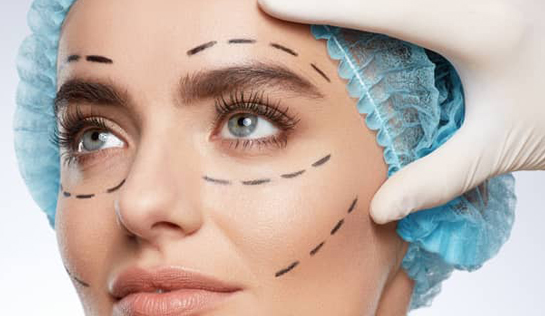
In contemporary society, the pursuit of beauty has transcended personal preference, evolving into a complex interplay of cultural norms, technological advancements, and economic imperatives. Procedures such as plastic surgery, filler injections, and Botox have become increasingly prevalent, reflecting deeper sociological dynamics. This article delves into the sociological underpinnings of these practices, examining how they shape and are shaped by societal structures, individual identities, and the broader cultural milieu.
The human body has long been a canvas for cultural expression and identity formation. Sociologist Anthony Giddens posits that individuals engage in “body projects,” actively constructing their identities through bodily practices and modifications. This perspective underscores the body as both a biological entity and a social construct, molded by and reflective of societal norms and values. In this context, cosmetic procedures can be viewed as contemporary manifestations of age-old practices aimed at aligning one’s physical appearance with cultural ideals.
The commodification of beauty in modern capitalist societies has intensified the demand for cosmetic enhancements. The beauty industry, encompassing fashion, cosmetics, and aesthetic medicine, generates significant economic activity, promoting standardized ideals of attractiveness. This commercialization exerts pressure on individuals to conform to these ideals, often through the consumption of beauty products and services. Pierre Bourdieu’s concept of cultural capital elucidates this phenomenon, suggesting that physical appearance can serve as a form of capital, conferring social advantages in various domains, including employment and social relationships.
The proliferation of social media platforms has further amplified the emphasis on physical appearance. Studies indicate that exposure to idealized images on social media correlates with increased body dissatisfaction and a heightened desire for cosmetic surgery. The curated nature of online personas fosters unrealistic beauty standards, leading individuals to seek cosmetic interventions as a means of attaining these unattainable ideals. This dynamic reflects Erving Goffman’s dramaturgical analysis, wherein individuals perform and manage their self-presentation in everyday life, now extended into the digital realm.
The normalization of cosmetic procedures raises critical questions about agency and societal influence. While individuals may perceive the decision to undergo cosmetic enhancements as a personal choice, this choice is often situated within a broader cultural context that valorizes certain aesthetic standards. Michel Foucault’s concept of biopower is pertinent here, highlighting how societal institutions and discourses regulate and discipline bodies, shaping individuals’ desires and behaviors. In this light, the pursuit of cosmetic enhancements can be seen as a form of self-regulation, aligning one’s body with dominant cultural norms.
The medicalization of beauty has also led to the pathologization of natural aging processes and physical diversity. The framing of wrinkles, body fat, and other natural features as medical problems to be corrected reinforces narrow definitions of beauty and health. This medicalization reflects broader societal tendencies to categorize and control bodily differences, often marginalizing those who deviate from established norms. The work of sociologist Deborah Lupton on the social construction of medicine and the body provides insight into how medical discourses shape perceptions of normalcy and deviance.
The pursuit of beauty through cosmetic procedures is not without psychological and social consequences. Research indicates that while some individuals experience increased self-esteem post-procedure, others may suffer from body dysmorphic disorder, a condition characterized by obsessive preoccupation with perceived flaws. The societal valorization of modified bodies can also perpetuate stigma against those who choose to age naturally or reject cosmetic enhancements, reinforcing exclusionary beauty standards. This dynamic illustrates the concept of symbolic violence, as articulated by Bourdieu, wherein cultural norms impose implicit forms of domination and marginalization.
The intersection of gender and cosmetic surgery is particularly salient. Women, in particular, face societal pressures to conform to youthful and slender ideals, leading to higher rates of cosmetic procedures among females. Feminist scholars argue that these practices can perpetuate patriarchal norms, objectifying women’s bodies and reinforcing gender inequalities. However, some women view cosmetic surgery as a means of empowerment, exercising agency over their bodies in defiance of societal expectations. This ambivalence reflects the complex interplay between structure and agency in shaping individual choices.
Cultural diversity also plays a significant role in perceptions of beauty and the acceptance of cosmetic procedures. Different cultures prioritize varying aesthetic ideals, influencing the types of procedures sought and their social acceptability. Globalization has facilitated the cross-cultural exchange of beauty standards, leading to the hybridization of aesthetic preferences. Sociologist Alka Menon’s research on cosmetic surgery practices among diverse populations highlights how cultural contexts mediate the adoption and adaptation of cosmetic procedures.
The rise of non-invasive procedures, such as Botox and dermal fillers, has democratized access to cosmetic enhancements, making them more accessible to a broader population. This trend reflects broader societal shifts towards the optimization of the body, emphasizing efficiency, control, and the minimization of risk. The concept of the “risk society,” as proposed by Ulrich Beck, is relevant here, highlighting how modern societies prioritize risk management and control, extending into the realm of bodily aesthetics.
The portrayal of cosmetic surgery in media and popular culture significantly influences public perceptions and individual decisions. Reality television shows, celebrity endorsements, and advertising campaigns often glamorize cosmetic procedures, downplaying potential risks and ethical considerations. This media representation contributes to the normalization of cosmetic enhancements, shaping societal attitudes and individual aspirations. The cultivation theory, developed by George Gerbner, suggests that prolonged exposure to media content can shape individuals’ perceptions of reality, reinforcing dominant cultural norms.
The ethical implications of cosmetic surgery are multifaceted, encompassing issues of consent, autonomy, and social justice. Concerns arise regarding the exploitation of vulnerable populations, the perpetuation of social inequalities, and the potential for coercion in the guise of choice. The commercialization of beauty can exacerbate social stratification, privileging those who can afford cosmetic enhancements and marginalizing those who cannot. This dynamic reflects broader critiques of consumer culture and the commodification of human experiences.