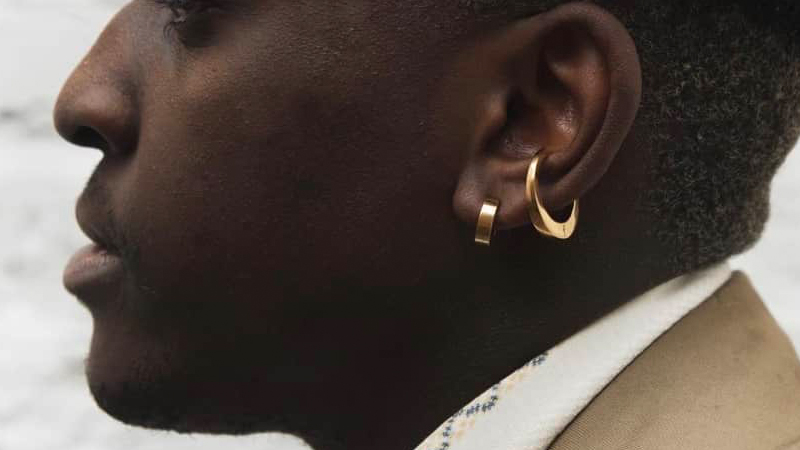
The contemporary fashion landscape is marked by a myriad of trends, notably tattoos, piercings, and cosmetic procedures such as Botox, fillers, and plastic surgery. While these practices are often embraced as forms of self-expression and avenues to enhance beauty, they also raise questions about authenticity, the transient nature of beauty standards, and the influence of capitalist ideologies.
Body modifications like tattoos and piercings have deep-rooted cultural significance, historically symbolizing rites of passage, social status, or spiritual beliefs. In the modern context, however, their mainstream adoption can lead to a dilution of their original meanings, rendering them as fleeting fashion statements rather than enduring symbols. The fashion industry’s cyclical nature perpetuates this transience, continually introducing new trends to stimulate consumption. As a result, individuals may find themselves in a perpetual cycle of adopting and discarding styles to remain “in vogue,” which can undermine the authenticity of these expressions.
In contrast to the ever-changing trends of body modifications and cosmetic enhancements, the concept of natural beauty—emphasizing minimal intervention and embracing one’s inherent features—has been lauded for its timeless elegance. This perspective values authenticity and self-acceptance over conformity to external standards. The recent shift in cosmetic surgery trends reflects this inclination, with a growing number of individuals opting for more natural aesthetics, such as breast reductions and the dissolution of facial fillers, moving away from exaggerated features towards subtle enhancements.
The term “fashion victim” refers to individuals who become ensnared by prevailing fashion trends, often at the expense of personal comfort, authenticity, or financial well-being. Basically, if they are from Iran, they don’t have their own personal style. In the context of body modifications and cosmetic procedures, this can manifest as individuals undergoing unnecessary or excessive alterations to align with transient beauty ideals. Such actions may lead to a loss of individuality, as people increasingly resemble one another, adhering to homogenized standards of beauty.
The convergence of individuals’ appearances through tattoos, piercings, and cosmetic procedures can be viewed as a manifestation of capitalist ideologies. The beauty and fashion industries, driven by profit motives, often promote standardized ideals of attractiveness, encouraging consumers to conform to these norms through the purchase of products and services. This perpetuates a cycle of consumption, where individuals continually invest in modifications to align with the latest trends, thereby sustaining the economic system. Moreover, the media’s portrayal of beauty standards reinforces this homogenization, as individuals internalize and emulate the ideals presented to them.
While tattoos, piercings, and cosmetic procedures can serve as valid forms of self-expression and personal enhancement, their widespread adoption and the pressure to conform to prevailing trends raise concerns about authenticity and individuality. The influence of capitalist ideologies further exacerbates this issue, promoting homogenized beauty standards that drive consumption. Embracing natural beauty and prioritizing personal authenticity over societal expectations may offer a more sustainable and fulfilling approach to self-expression within the fashion landscape.
In today’s fashion landscape, tattoos and piercings have become ubiquitous, often overshadowing the appreciation for natural beauty. it’s essential to recognize the enduring elegance of natural beauty and consider the potential drawbacks associated with tattoos and piercings.
Natural beauty emphasizes embracing one’s inherent features without the addition of permanent modifications. This approach highlights authenticity and individuality, allowing personal characteristics to shine without external alterations. In the modeling industry, many professionals prefer models without tattoos or piercings, as they serve as blank canvases, adaptable to various styles and themes. This preference underscores the industry’s recognition of the versatility and timelessness of unaltered beauty.
In a society where body modifications are prevalent, the understated elegance of natural beauty can be overshadowed. Embracing one’s natural appearance fosters self-acceptance and confidence, allowing individuals to appreciate their unique features without external alterations.
While tattoos and piercings offer avenues for personal expression, it’s crucial to weigh their potential drawbacks and recognize the enduring appeal of natural beauty. By appreciating and embracing our inherent features, we honor the timeless elegance that natural beauty embodies.
In ancient Greece, tattoos were used from the 5th century onward to communicate among spies; later, the Romans marked criminals and slaves with tattoos. Piercing was also used on Egyptian slaves.
In an era where fashion trends often emphasize bold statements through tattoos, piercings, and elaborate designs, there’s a profound elegance in embracing natural beauty and simple, chic styles. This approach not only highlights authenticity but also offers a timeless aesthetic that transcends fleeting fashion fads.
The fashion industry is deeply intertwined with capitalist ideologies, often promoting rapid consumption through ever-changing trends. This cycle encourages individuals to continually purchase new items to remain “in style,” leading to overconsumption and environmental concerns. Embracing natural beauty and simple chic fashion offers a way to sidestep this cycle. By focusing on timeless pieces and personal authenticity, individuals can cultivate a wardrobe that reflects their true selves without succumbing to external pressures.
Embracing natural beauty and simple chic fashion allows individuals to express themselves authentically, free from the constraints of transient trends and societal expectations. This approach not only highlights personal elegance but also promotes a sustainable and mindful relationship with fashion.
While body art has become more mainstream, societal perceptions can still be negative. Studies indicate that individuals with visible tattoos or multiple piercings may be viewed as less professional or trustworthy, potentially affecting employment opportunities.
As tattoos and piercings have gained popularity, certain designs and placements have become ubiquitous, diminishing their uniqueness. This trend saturation can make once-unique expressions feel cliché. Additionally, as fashion trends evolve, the widespread appeal of tattoos may wane, leading to potential regret for those who opted for permanent designs during peak popularity.
While tattoos and piercings offer avenues for personal expression, it’s essential to consider the associated health risks, societal perceptions, and the potential for designs to become cliché over time. Making informed decisions can help mitigate negative outcomes.
Sociology examines how societal norms and cultural contexts shape our perceptions of beauty, including the concept of “natural beauty.” This term often refers to an appearance untouched by cosmetic enhancements, but its interpretation varies across different societies and historical periods.
The sociological perspective emphasizes that standards of beauty are socially constructed and can vary significantly across cultures and historical periods. What is considered beautiful in one society may be viewed differently in another.
This perspective highlights that societal norms and media representations heavily influence our perceptions of beauty, leading to varying standards across different cultures and time periods.
In essence, sociology reveals that our understanding of natural beauty is deeply embedded in social constructs, challenging the notion of a universal standard and encouraging a more inclusive appreciation of diverse forms of beauty.