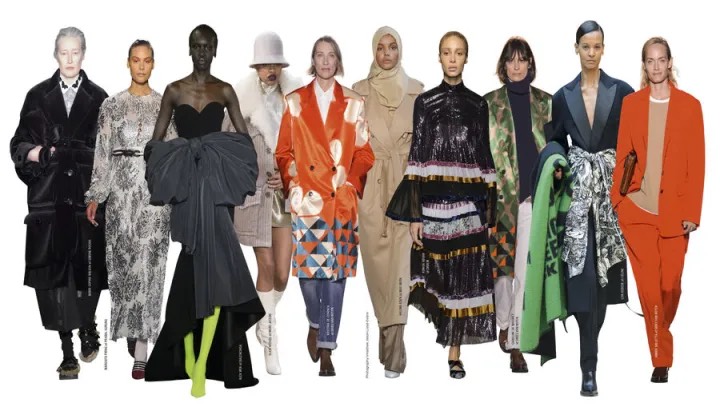
The global fashion industry is a complex and multifaceted social arena where issues of inequality, exploitation, and cultural dynamics are starkly visible. It reflects the broader processes of globalization, cosmopolitanism, and power relations that define contemporary society. Fashion is not merely a matter of aesthetic choices or consumer preferences; it is deeply embedded in structures of economic production, cultural representation, and social stratification. As fashion flows across borders, it brings with it questions of labor ethics, cultural appropriation, and the role of consumption in sustaining global inequalities. The outsourcing of garment production to developing countries is one of the most glaring manifestations of these dynamics, as it reveals how globalization often perpetuates economic disparities while presenting a facade of cultural interconnectedness. In this context, cosmopolitanism—the ideal of openness to cultural diversity and engagement with the ‘Other’—becomes a double-edged sword. While it holds the promise of cultural exchange and mutual understanding, it can also mask the underlying systems of oppression that sustain global fashion networks. The desire for culturally diverse fashion products may inadvertently support exploitative labor practices and reinforce existing inequalities, calling into question the ethical foundations of cosmopolitan consumption.
Sociologically, the relationship between fashion, globalization, and inequality can be examined through the lens of key theoretical frameworks and the insights of influential sociologists. Pierre Bourdieu’s theory of cultural capital is particularly relevant in understanding how fashion operates as a marker of social distinction and a means of reproducing social hierarchies. Bourdieu argues that cultural tastes and preferences, including those related to fashion, are not neutral but are deeply tied to one’s position within the social structure. The global fashion industry capitalizes on these dynamics by producing and marketing styles that signify cultural sophistication and cosmopolitan sensibilities. However, the cultural capital associated with cosmopolitan fashion often comes at the expense of marginalized groups whose labor and cultural expressions are commodified without equitable recognition or benefit. Fashion brands frequently appropriate elements from non-Western cultures, presenting them as exotic or trendy without acknowledging their cultural significance or compensating the communities from which they originate. This form of cultural appropriation not only strips these symbols of their original meaning but also perpetuates power imbalances by allowing dominant groups to profit from the cultural heritage of others.
The labor practices underpinning the global fashion industry further highlight the economic inequalities that globalization perpetuates. The outsourcing of garment production to developing countries is driven by the pursuit of lower production costs, enabling fashion brands to maximize profits while offering consumers affordable products. However, this cost-cutting strategy often results in exploitative labor conditions, including low wages, long working hours, and unsafe working environments. The collapse of the Rana Plaza building in Bangladesh in 2013, which killed over 1,100 garment workers, brought international attention to the human cost of fast fashion. This tragedy underscored the systemic nature of exploitation in the fashion industry, where the pressure to meet production deadlines and minimize costs leads to the violation of workers’ rights. Sociologist Guy Standing’s concept of the “precariat” is useful in understanding the plight of garment workers in the global fashion supply chain. The precariat refers to a growing class of workers who lack job security, stable income, and social protections. Garment workers in developing countries exemplify this class, as they are often employed in precarious conditions with limited opportunities for upward mobility.
The ethical implications of global consumption in the fashion industry are closely tied to the concept of cosmopolitanism. Ulrich Beck’s notion of the “cosmopolitan vision” emphasizes the need to recognize and embrace cultural differences in an interconnected world. Cosmopolitanism, in its ideal form, promotes openness to diverse cultural expressions and a willingness to engage with the ‘Other’ on equal terms. However, in practice, cosmopolitanism can become a superficial form of cultural engagement that masks deeper inequalities. When consumers in wealthier countries purchase fashion products that incorporate elements from diverse cultures, they may believe they are participating in a form of cultural appreciation. Yet, this consumption often occurs without an understanding of the cultural significance of these elements or the labor conditions under which the products were made. The result is a form of cosmopolitanism that privileges the consumer’s desire for novelty and diversity over the ethical considerations of cultural respect and labor justice.
Mimi Sheller’s concept of “mundane cosmopolitanism” further complicates the relationship between fashion, globalization, and inequality. Mundane cosmopolitanism refers to the everyday practices through which individuals engage with global cultures, often through consumption. In the context of fashion, this engagement is evident in the widespread availability of diverse styles and garments that allow individuals to express multifaceted identities. However, this quotidian cosmopolitanism is often uncritical, as it fails to consider the broader social and economic contexts that shape these interactions. Consumers may embrace the aesthetics of global fashion without acknowledging the labor exploitation and cultural appropriation that make such consumption possible. The challenge, therefore, is to cultivate a form of cosmopolitanism that is not merely performative but is rooted in ethical engagement and social responsibility.
The media and digital technologies play a crucial role in shaping the global fashion industry and mediating cosmopolitan consumption. The proliferation of digital platforms has accelerated the spread of fashion trends, enabling instantaneous sharing and adaptation across the globe. Social media platforms such as Instagram and TikTok have democratized fashion by allowing individuals from diverse backgrounds to participate in global fashion dialogues and influence trends. This digital interconnectedness fosters a form of virtual cosmopolitanism, where individuals can engage with global fashion cultures irrespective of their physical location. However, this digital cosmopolitanism is not free from inequalities. The digital divide limits access to these platforms for individuals in less developed regions, while the dominance of Western fashion narratives in digital media can perpetuate cultural hierarchies. Moreover, the rapid circulation of fashion images online often leads to the decontextualization of cultural symbols, making it easier for cultural appropriation to occur without accountability.
Fashion weeks in major cities such as Paris, Milan, London, and New York have traditionally dominated the global fashion landscape, serving as epicenters of fashion innovation and authority. However, the rise of fashion weeks in cities such as Lagos, Mumbai, and São Paulo signals a shift toward a more multipolar fashion world where diverse cultural perspectives are increasingly recognized and celebrated. This shift reflects the growing influence of non-Western fashion capitals and the potential for more inclusive forms of cosmopolitanism in fashion. Nevertheless, the global fashion system remains marked by power asymmetries, with Western fashion institutions continuing to wield significant cultural and economic influence. The inclusion of diverse fashion voices must be accompanied by structural changes that address the underlying inequalities in the global fashion industry.
Sustainability is another critical dimension of the relationship between fashion, globalization, and cosmopolitanism. The environmental impact of the fashion industry, particularly in the context of fast fashion, has become a pressing concern. The globalized nature of fashion production and consumption has led to practices that are environmentally unsustainable, contributing to pollution, waste, and resource depletion. The rise of sustainable fashion movements reflects a growing awareness of these issues and a commitment to more ethical and environmentally responsible practices. Sociological perspectives on sustainability in fashion highlight the need for systemic changes that address the structural inequalities and environmental consequences of the global fashion industry. For instance, sociologist Anthony Giddens’s concept of “structuration” can be applied to understand how individual consumer choices are shaped by broader social structures and how these choices, in turn, can influence systemic change. The move toward sustainable fashion requires not only changes in consumer behavior but also shifts in the institutional practices of fashion brands and regulatory frameworks.
The intersection of fashion and cosmopolitanism also opens up possibilities for fashion to serve as a medium for political expression and social change. Fashion can be a powerful tool for articulating resistance, challenging dominant cultural narratives, and fostering solidarity across cultural boundaries. The use of fashion in social movements, such as the Black Lives Matter movement or feminist movements, demonstrates the potential of fashion to communicate political messages and to mobilize collective action. Fashion’s role in these contexts underscores its capacity to reflect and shape social and political dynamics, making it a significant site for sociological analysis. Judith Butler’s theory of performativity offers a useful framework for understanding how fashion can be used to challenge normative identities and power structures. By subverting traditional gender norms and cultural expectations through fashion, individuals can perform identities that resist dominant social narratives and assert alternative modes of being.
Fashion’s potential as a site of resistance and empowerment is further illustrated by the work of designers and brands that prioritize ethical production practices and engage with social justice issues. These efforts represent a form of ethical cosmopolitanism, where fashion is not merely a medium of cultural expression but also a platform for advocating social and environmental justice. However, the commodification of social justice in fashion—where progressive messages are used as marketing tools without meaningful commitment to change—poses a risk of diluting the transformative potential of fashion. The challenge lies in distinguishing between genuine efforts toward ethical fashion and superficial attempts to capitalize on social justice trends.
In examining the global fashion industry through a sociological lens, it becomes evident that fashion is a site where the promises and pitfalls of globalization and cosmopolitanism are played out. The desire for culturally diverse fashion products and the celebration of global fashion trends must be tempered by a critical awareness of the social, economic, and environmental contexts that underpin these dynamics. The ethical implications of fashion consumption extend beyond individual choices to encompass the broader systems of production, representation, and distribution that shape the global fashion landscape.
As the fashion industry continues to evolve within the global landscape, fostering a cosmopolitanism that is inclusive, reflexive, and attuned to the complexities of cultural interdependence becomes imperative. This requires a commitment to ethical engagement, where the appreciation of cultural diversity is accompanied by respect for cultural significance and a dedication to labor justice. Sociological perspectives provide valuable insights into the ways in which fashion operates as a site of cultural negotiation, economic exchange, and political expression in a globalized world. The global fashion industry, with all its complexities and contradictions, thus serves as a powerful mirror of contemporary society, reflecting the challenges and possibilities of living in an interconnected world.