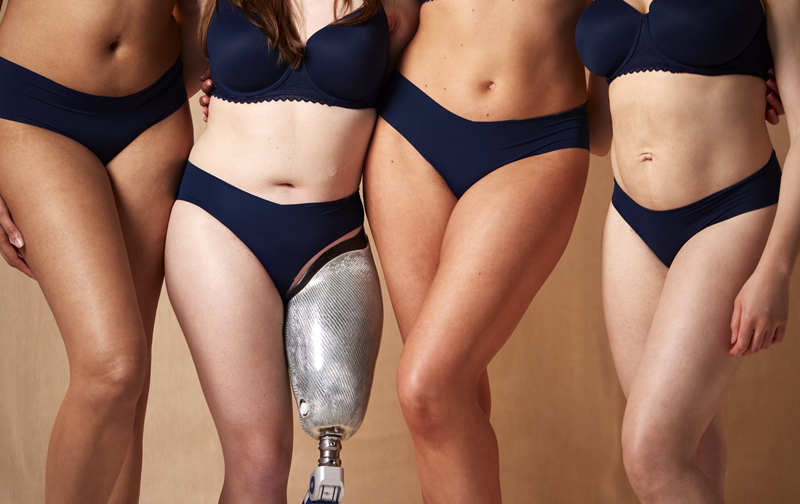
Body positivity and leftist politics intersect significantly in the redefinition of beauty standards within the fashion industry. The body positivity movement, which promotes the acceptance and appreciation of all body types regardless of shape, size, or appearance, aligns closely with leftist values such as equality, inclusivity, and resistance to oppressive systems. The fashion industry, historically dominated by narrow and exclusionary beauty standards, has increasingly become a site of contestation and transformation. Sociologists, cultural theorists, and political thinkers have analyzed these shifts, offering insights into how body positivity challenges capitalist, patriarchal, and racist structures embedded in fashion. This intersection reflects a broader cultural and political struggle to democratize beauty and dismantle systems of oppression that marginalize certain bodies.
Leftist politics fundamentally concern themselves with the redistribution of power and resources to create a more equitable society. These politics critique hierarchical structures that privilege certain groups over others based on class, race, gender, and other social categories. In the context of fashion and beauty, leftist critiques highlight how these industries have historically perpetuated narrow standards that uphold white, thin, able-bodied, and Eurocentric ideals. These standards not only marginalize those who do not fit them but also sustain capitalist profit-making by promoting insecurities and selling solutions. The fashion industry’s reliance on unattainable beauty ideals creates a cycle of consumption, where individuals are encouraged to purchase products and services to conform to these norms. From expensive skincare routines to cosmetic surgeries, the commodification of beauty thrives on exclusion. As sociologist Pierre Bourdieu explains, “Taste classifies, and it classifies the classifier”—a reminder that beauty standards are deeply connected to social stratification and power relations. The body positivity movement, supported by leftist politics, seeks to disrupt this cycle by asserting that all bodies are inherently valuable, thus undermining the economic incentives tied to bodily dissatisfaction.
Sociologist Naomi Wolf, in her seminal work The Beauty Myth, argues that beauty standards have been used as a form of social control. According to Wolf, “The more legal and material hindrances women have broken through, the more strictly and heavily and cruelly images of female beauty have come to weigh upon us.” This observation highlights how, despite advancements in gender equality, oppressive beauty standards persist as a means of disciplining bodies, particularly those of women. The fashion industry plays a central role in maintaining these standards, often showcasing a limited range of body types that represent an unrealistic ideal. Leftist politics, with their emphasis on dismantling oppressive systems, challenge the notion that worth and value should be tied to adherence to such ideals. The body positivity movement echoes this challenge by promoting diverse representations of beauty, thereby resisting the patriarchal logic that has long governed fashion and media.
The concept of intersectionality, introduced by Kimberlé Crenshaw, is also crucial in understanding the relationship between body positivity and leftist politics. Intersectionality examines how various forms of oppression—such as racism, sexism, ableism, and fatphobia—intersect to create unique experiences of marginalization. In the context of fashion, bodies that deviate from the thin, white, able-bodied norm face multiple layers of discrimination. Leftist politics, with their focus on social justice and equity, advocate for the visibility and inclusion of these marginalized bodies. The body positivity movement draws upon this framework, emphasizing that beauty cannot be narrowly defined and that all bodies deserve representation and respect. Fashion brands that embrace body positivity by featuring diverse models challenge the industry’s historical exclusion and signal a shift toward a more inclusive standard of beauty.
However, the relationship between body positivity and fashion is not without contradictions. While the movement has gained mainstream traction, there is a risk that its core messages are being co-opted by capitalist interests. As sociologist bell hooks warns, “The commodification of difference promotes paradigms of consumption where the focus is on selling images, lifestyles, and experiences rather than transforming consciousness.” In other words, when fashion brands adopt body positivity merely as a marketing strategy, they risk reducing a radical political movement to a superficial trend. This commodification dilutes the movement’s transformative potential, turning it into another means of generating profit rather than a genuine commitment to challenging oppressive beauty standards. Leftist critiques of capitalism highlight how even progressive movements can be absorbed into the very systems they seek to dismantle, underscoring the need for vigilance in maintaining the movement’s integrity.
Moreover, the fashion industry’s engagement with body positivity often remains surface-level. While there has been an increase in the visibility of plus-size models and diverse representations, these efforts can sometimes be tokenistic. Sociologist Erving Goffman’s concept of “presentation of self” in social life is relevant here; brands may present an image of inclusivity without implementing structural changes that genuinely support body diversity. True body positivity requires more than diverse marketing campaigns; it demands systemic shifts in how fashion is produced, marketed, and consumed. This includes offering a full range of sizes, designing for different body types, and challenging the hierarchical valuation of bodies based on their conformity to normative standards. Leftist politics push for these deeper changes, advocating for an industry that prioritizes accessibility, representation, and ethical practices over profit.
Another critical aspect of the intersection between body positivity and leftist politics is the critique of fatphobia. Fatphobia, or the discrimination against people in larger bodies, is deeply embedded in societal structures, including fashion. Sociologist Sabrina Strings, in her book Fearing the Black Body: The Racial Origins of Fat Phobia, traces the roots of fatphobia to colonialism and racism. Strings argues that thinness became idealized in Western societies partly as a means of distinguishing white Europeans from Black and Indigenous peoples, whose bodies were often stereotyped as larger and deemed inferior. This historical analysis reveals how beauty standards are not merely aesthetic preferences but are connected to power dynamics and racial hierarchies. Leftist politics, which oppose racism and colonialism, therefore have a vested interest in dismantling fatphobia. The body positivity movement, by challenging the stigmatization of fat bodies, contributes to this broader project of decolonizing beauty standards and promoting racial justice.
Additionally, the relationship between disability and fashion highlights another dimension of body positivity linked to leftist politics. The fashion industry has historically excluded disabled bodies, often designing clothing that prioritizes aesthetics over functionality and accessibility. Disability rights activists, supported by leftist political frameworks, argue for a more inclusive approach that recognizes the diverse needs of all bodies. The concept of “crip fashion,” which centers the experiences of disabled individuals, challenges the industry to rethink its assumptions about beauty, functionality, and desirability. Sociologist Rosemarie Garland-Thomson’s work on disability studies emphasizes the importance of “misfitting” as a critical concept, where societal structures create barriers that render certain bodies as misfits. In fashion, this means designing clothing and fashion experiences that accommodate a wide range of physical abilities, thereby redefining beauty and style in more inclusive terms. The body positivity movement supports this shift by asserting that beauty exists in all forms, including those that deviate from normative bodily expectations.
The global dimension of body positivity also intersects with leftist critiques of Western imperialism and cultural hegemony. Fashion has often been a tool of cultural imperialism, promoting Western beauty standards as universal and desirable. This erasure of non-Western aesthetics perpetuates colonial power dynamics, marginalizing indigenous and local forms of beauty. Leftist politics advocate for cultural pluralism and the decolonization of aesthetics, challenging the dominance of Western norms. The body positivity movement contributes to this effort by celebrating diverse cultural expressions of beauty and resisting homogenization. This includes embracing traditional clothing styles, recognizing the beauty of different skin tones and hair textures, and valuing local craftsmanship. By broadening the definition of beauty to include global perspectives, fashion can become a site of cultural exchange and resistance rather than one of domination.
The digital age has also transformed how body positivity and leftist politics influence fashion. Social media platforms have democratized fashion discourse, allowing marginalized voices to challenge industry norms and advocate for inclusivity. Hashtags such as #BodyPositivity, #EffYourBeautyStandards, and #AllBodiesAreGoodBodies have created online communities where individuals share their experiences and resist harmful beauty norms. These digital movements align with leftist ideals of decentralization and collective action, demonstrating the power of grassroots organizing in shaping cultural narratives. Sociologist Manuel Castells argues that networked social movements have the potential to disrupt traditional power structures, and the body positivity movement exemplifies this potential. By leveraging social media, activists and consumers alike can hold fashion brands accountable, demand greater representation, and celebrate diverse bodies on their own terms.
Despite these advancements, the body positivity movement faces ongoing challenges, particularly concerning its inclusivity. Critics argue that mainstream representations of body positivity still privilege certain types of “acceptable” non-normative bodies—such as curvy but hourglass-shaped figures—while excluding those that are further from traditional ideals. This selective inclusivity risks reinforcing new hierarchies of beauty rather than dismantling them entirely. Leftist politics emphasize the need for radical inclusivity that challenges all forms of bodily oppression, including those based on race, gender identity, age, and ability. To achieve its transformative potential, the body positivity movement must remain attentive to these dynamics and resist co-optation by commercial interests that seek to dilute its radical edge.
Moreover, the commodification of body positivity within fashion raises questions about the movement’s long-term impact. As brands incorporate body-positive messaging into their marketing strategies, there is a risk that the movement’s political significance will be reduced to a mere selling point. Sociologist George Ritzer’s concept of “McDonaldization” describes the process by which cultural movements are simplified, standardized, and commodified for mass consumption. In the context of body positivity, this means that the movement’s complex and intersectional critiques could be replaced by shallow representations that do little to challenge underlying systems of oppression. To resist this outcome, leftist politics emphasize the importance of sustaining critical dialogue, fostering community-led initiatives, and prioritizing systemic change over individual consumption patterns.
Education and media literacy also play crucial roles in sustaining the transformative potential of body positivity within fashion. Teaching critical perspectives on media representations, beauty standards, and the politics of fashion can empower individuals to recognize and resist harmful norms. Sociologists such as Stuart Hall have emphasized the importance of decoding media messages and understanding the ideological work they perform. By applying these insights to fashion media, educators and activists can foster a more critical and informed public. This educational approach aligns with leftist commitments to empowerment through knowledge, ensuring that body positivity remains a site of resistance and transformation rather than mere consumption.
In conclusion, the intersection of body positivity and leftist politics represents a significant cultural and political shift in how beauty standards are defined and contested within the fashion industry. Sociological analyses reveal that beauty norms are not neutral but are deeply embedded in systems of power, including capitalism, patriarchy, racism, ableism, and colonialism. The body positivity movement, with its emphasis on inclusivity, authenticity, and self-acceptance, challenges these systems by asserting the inherent value of all bodies. However, the movement’s transformative potential depends on its ability to resist co-optation by commercial interests and to address intersectional forms of oppression. Leftist politics provide a critical framework for sustaining this resistance, advocating for systemic changes that promote equity, representation, and justice in fashion and beyond. The ongoing dialogue between body positivity and leftist politics offers a powerful vision of a fashion industry—and a society—where beauty is truly democratic, diverse, and liberating.