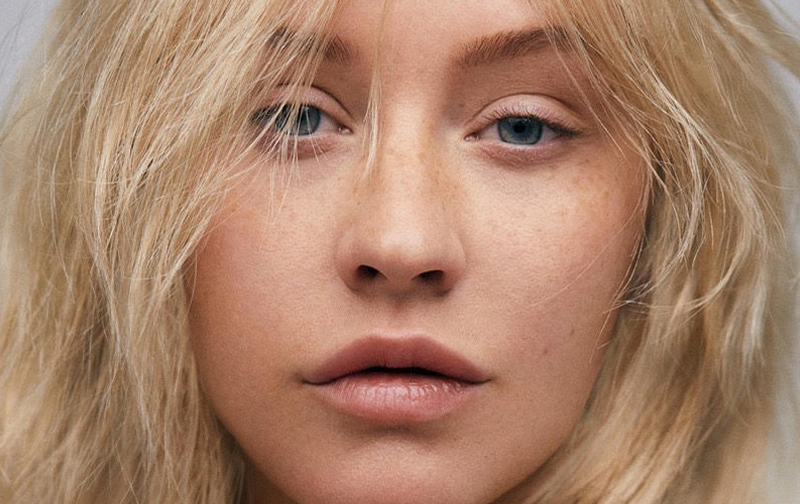
Leftists widely support the makeup-free movement as part of their broader commitment to gender equality, body positivity, and resistance against oppressive beauty standards. They view makeup as a symbol of societal pressure, often imposed on women to conform to unrealistic beauty ideals that reinforce patriarchal structures. By rejecting these norms, the makeup-free movement aligns with leftist values of personal freedom and social justice, advocating for a world where individuals are not judged based on their appearance but rather on their character and abilities.
Sociologists have long analyzed the impact of beauty standards on self-perception and social interactions. Pierre Bourdieu’s concept of symbolic violence explains how societal norms subtly pressure individuals into compliance, making them believe that certain standards—such as wearing makeup—are natural or necessary. This form of control disproportionately affects women, who are often made to feel that their worth is tied to their physical appearance. By rejecting makeup as an expectation rather than a choice, individuals resist these invisible forces and reclaim autonomy over their bodies.
For future generations, dismantling beauty norms is essential to fostering a more inclusive and equitable society. Young people, especially girls, are increasingly exposed to beauty ideals through social media, leading to anxiety, low self-esteem, and body dysmorphia. Naomi Wolf’s The Beauty Myth highlights how beauty standards function as a form of social control, keeping women focused on their appearance rather than on their ambitions and potential. Encouraging a makeup-free culture helps liberate individuals from these constraints, allowing them to develop confidence beyond aesthetics.
The economic aspect of the beauty industry also plays a significant role in leftist critiques. The global cosmetics industry profits from insecurity, convincing individuals that they need products to be socially accepted. Karl Marx’s theory of commodity fetishism explains how capitalism creates artificial needs, making consumers believe that makeup is essential rather than optional. By rejecting makeup as an expectation, individuals challenge this exploitative cycle and promote a more conscious, anti-consumerist approach to self-expression.
A makeup-free movement does not mean banning makeup but rather promoting the idea that beauty should not be a requirement for social acceptance. It encourages the next generations to redefine self-worth beyond appearance, fostering healthier self-perceptions and greater gender equality. By embracing natural beauty as a valid and respected choice, society moves toward a future where individuals are valued for their authenticity rather than their adherence to commercialized beauty standards.
The makeup-free movement, advocating for natural beauty and reduced reliance on cosmetics, has gained prominence in recent years. This shift challenges traditional beauty standards and carries significant implications for future generations.
Historically, societal norms have often dictated that women wear makeup to meet certain beauty ideals, reinforcing gender stereotypes and contributing to pressures surrounding physical appearance. The makeup-free movement seeks to dismantle these expectations, promoting authenticity and self-acceptance. By embracing natural beauty, individuals can foster a culture that values character and abilities over superficial attributes.
For younger generations, this movement offers a pathway to improved mental health. The pervasive use of beauty filters on social media platforms has been linked to decreased self-esteem and increased interest in cosmetic alterations among teenagers. An investigation revealed that many young girls experience low self-worth due to their altered online appearances, raising concerns about their mental well-being. By normalizing makeup-free appearances, society can alleviate some of these pressures, encouraging youth to appreciate their inherent worth beyond physical looks.
Moreover, the movement aligns with a broader trend toward conscious consumerism. The global market for cruelty-free beauty products is expanding, reflecting a growing awareness of ethical consumption. By reducing dependence on cosmetics, future generations may prioritize sustainability and ethical considerations in their purchasing decisions, fostering a more environmentally conscious society.
However, it’s essential to recognize that the makeup-free movement doesn’t uniformly discourage cosmetic use. Research indicates that the natural beauty movement hasn’t significantly reduced cosmetic sales; instead, it has led to a trend where individuals use makeup to achieve a “no-makeup” look, highlighting the complexity of societal beauty standards. This underscores the need for ongoing dialogue about authenticity and the pressures to conform to evolving beauty ideals.
In conclusion, the makeup-free movement presents an opportunity to redefine beauty standards for future generations. By promoting self-acceptance, mental well-being, and ethical consumerism, this shift can lead to a society that values individuality over conformity, benefiting both personal and collective development.