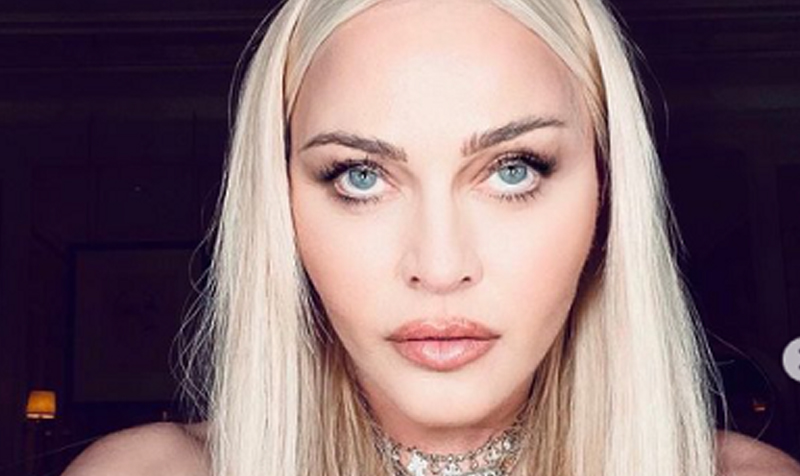
The entertainment industry is a vast and multifaceted domain that places immense emphasis on physical appearance. Within this sphere, the standards of beauty and youthfulness are often set unreasonably high, influencing the choices entertainers make regarding their looks. One prominent aspect of this dynamic involves the use of cosmetic enhancements such as fillers, Botox, and plastic surgery. These procedures have become commonplace among many entertainers who rely heavily on their appearance to maintain their careers. However, there exists a distinction within the entertainment world when it comes to the appropriateness and impact of such cosmetic interventions. Specifically, while some entertainers can freely opt for fillers, Botox, and plastic surgery without it affecting their professional credibility, others, particularly actors, face constraints that compel them to maintain a more natural appearance. This divergence is rooted in the nature of their professions, audience expectations, and the demands of authenticity in performance.
Entertainers such as singers, models, influencers, and television personalities often have more flexibility when it comes to altering their appearances. Their careers largely depend on visual appeal, and the industry encourages a polished, flawless look that aligns with contemporary beauty standards. In these professions, cosmetic enhancements can be seen as tools to maintain a youthful image, keep up with industry trends, or even craft a distinctive personal brand. For instance, pop stars and reality TV personalities frequently undergo procedures to refine their features, enhance their physical attributes, or counteract the visible effects of aging. The visual aspect of their appeal is central to their success, and as such, fillers and Botox are often considered acceptable, if not expected, methods to sustain their relevance and desirability in the public eye.
In the modeling industry, where visual perfection is highly prized, cosmetic procedures are commonly utilized to achieve and maintain the idealized aesthetics demanded by fashion houses, photographers, and brands. Models often undergo procedures to enhance facial symmetry, smooth out wrinkles, and maintain a youthful appearance. In this context, Botox and fillers are not only accepted but sometimes encouraged as part of maintaining a competitive edge in a highly saturated industry. The demand for flawless appearances in magazine covers, runway shows, and advertising campaigns fuels a culture where cosmetic enhancements are normalized. Similarly, social media influencers, whose livelihoods depend on their curated online personas, often resort to cosmetic procedures to align with the aspirational beauty standards they promote to their followers. For these entertainers, cosmetic enhancements become part of the branding process, helping them cultivate an image that attracts sponsorships, collaborations, and fan loyalty
On the other hand, actors face a different set of expectations. The profession of acting demands a high level of authenticity, emotional expressiveness, and the ability to embody diverse characters convincingly. An actor’s face is a crucial tool for conveying subtle emotions, expressions, and nuances that bring a character to life. Excessive use of fillers, Botox, or plastic surgery can compromise this ability by limiting facial mobility and natural expressiveness. This is particularly critical in dramatic roles where the authenticity of emotions is paramount. Audiences expect actors to portray a wide range of human experiences realistically, and any artificiality in appearance can detract from the believability of a performance.
Natural beauty and a lifestyle that supports authentic expression are therefore highly valued in the acting profession. The ability to age naturally, for instance, allows actors to take on a broader range of roles and portray life stages authentically. While there is societal pressure, especially on female actors, to maintain a youthful appearance, there is also a growing recognition of the beauty and depth that come with aging naturally. Esteemed actors who embrace their natural appearance often gain respect for their commitment to authenticity, setting a powerful example in an industry that frequently prioritizes superficial aesthetics. For these actors, natural beauty tips and a normal lifestyle become essential components of their professional approach. Practices such as maintaining healthy skin through proper nutrition, hydration, regular exercise, and mindful skincare routines support a natural appearance without the need for invasive procedures.
Moreover, the increasing focus on diverse and realistic storytelling in film and television has led to a greater appreciation for actors who embody authenticity in both appearance and performance. Casting directors and audiences alike value actors who can represent real people with all their imperfections and complexities. This shift towards realism places additional pressure on actors to avoid cosmetic procedures that could compromise their ability to portray characters convincingly. While some actors may choose minimal cosmetic enhancements that do not affect facial mobility, there remains a strong preference for natural beauty that allows for a full range of emotional expression.
In contrast, entertainers in other sectors are often celebrated for their ability to maintain a particular image, sometimes irrespective of age. Singers and performers in the music industry, for example, frequently adopt bold and transformative aesthetics that align with their artistic personas. For them, cosmetic enhancements can be a part of the performance, contributing to an overall image that captivates audiences. Theatrical makeup, dramatic costumes, and striking physical appearances are integral to the spectacle of musical performances, and cosmetic procedures are often viewed as extensions of this performative aspect. In such cases, the ability to convey deep, nuanced emotions through subtle facial expressions is less critical than the ability to project a powerful, visually captivating image.
Television personalities, especially those in reality TV, also navigate a landscape where appearance plays a pivotal role. Reality television thrives on spectacle, drama, and the allure of aspirational lifestyles. Participants and stars in this genre often undergo cosmetic procedures to enhance their appeal and maintain public interest. The visual emphasis of reality TV means that fillers, Botox, and plastic surgery are not only common but sometimes essential for sustaining relevance and viewer engagement. For these entertainers, the pursuit of physical perfection aligns with the genre’s emphasis on spectacle and entertainment rather than emotional authenticity.
Nevertheless, it is important to acknowledge that even within these more flexible sectors of the entertainment industry, the choice to undergo cosmetic procedures is influenced by broader societal pressures. The global beauty industry, media portrayals of idealized appearances, and cultural standards of youth and attractiveness all contribute to the normalization of cosmetic enhancements. Entertainers often face the dual pressure of maintaining their careers while conforming to these external expectations, leading to complex decisions about their appearances.
For actors, however, these decisions carry additional weight due to the nature of their craft. Acting requires the ability to inhabit diverse characters with authenticity, which is fundamentally tied to the natural expressiveness of the face. Subtle movements of facial muscles convey a wide range of emotions—grief, joy, anger, fear—that are essential to compelling performances. Procedures that limit these expressions can hinder an actor’s ability to perform effectively, potentially impacting their career prospects. As a result, many actors choose to forego cosmetic enhancements, opting instead for natural beauty routines and lifestyles that support healthy aging and authentic expression.
Natural beauty tips for actors often emphasize holistic wellness approaches. A balanced diet rich in vitamins and antioxidants supports healthy skin, while regular exercise promotes overall vitality and reduces stress. Skincare routines focused on hydration, sun protection, and gentle cleansing help maintain a youthful appearance without invasive procedures. Additionally, practices such as yoga and meditation contribute to emotional well-being, which can enhance an actor’s performance by fostering a deeper connection with their inner self. These natural approaches not only support physical health but also align with the industry’s growing appreciation for authenticity and realism.
Furthermore, the evolving landscape of the entertainment industry is gradually challenging traditional beauty standards. There is an increasing demand for diverse representations of beauty, age, and body types in film and television. This shift creates opportunities for actors who embrace their natural appearances, allowing them to break away from the restrictive norms that once dominated the industry. By embodying authenticity and rejecting the pressure to conform to narrow beauty ideals, these actors contribute to a broader cultural conversation about self-acceptance and the value of genuine representation in media.
However, the distinction between entertainers who can and cannot undergo cosmetic procedures is not always clear-cut. Some actors, particularly those in commercial or genre films, may choose minor enhancements to align with the aesthetic demands of specific roles. The key consideration in such cases is whether these procedures affect the actor’s ability to convey emotions and perform authentically. Minimal and well-executed enhancements that do not impede facial expressiveness may be considered acceptable, especially if they contribute to the actor’s versatility and career longevity.
Conversely, some entertainers in more visually driven sectors may choose to maintain a natural appearance as part of their personal brand. For example, certain musicians and models cultivate an image of natural beauty and authenticity that resonates with audiences seeking relatable and genuine role models. In such cases, the decision to avoid cosmetic procedures becomes a strategic aspect of their public persona, distinguishing them from peers who adopt more conventional beauty standards.
The conversation around cosmetic enhancements in the entertainment industry is further complicated by cultural and regional differences. In some entertainment markets, particularly in East Asia, cosmetic procedures are more widely accepted and even expected among celebrities. In contrast, Western film industries, especially in independent and arthouse cinema, place a higher premium on natural appearances and authentic performances. These cultural nuances shape the decisions entertainers make regarding their appearances and influence the expectations of audiences and industry professionals alike.
Ultimately, the decision to undergo cosmetic procedures is deeply personal and influenced by a complex interplay of professional demands, societal expectations, and individual values. For many entertainers, particularly those in performance-driven fields like acting, the choice to maintain a natural appearance reflects a commitment to their craft and a recognition of the unique role that authentic expression plays in storytelling. By embracing natural beauty and leading normal lifestyles, these actors challenge the pervasive narratives of perfection and youthfulness that dominate the entertainment industry.
Conversely, entertainers whose careers are more closely tied to visual appeal and branding may find cosmetic enhancements to be valuable tools for sustaining their public image and relevance. In such cases, fillers, Botox, and plastic surgery are not merely aesthetic choices but strategic decisions that align with the visual demands of their professions. The acceptance of these procedures within certain entertainment sectors reflects a broader cultural embrace of cosmetic enhancements as legitimate means of self-expression and career maintenance.
As the entertainment industry continues to evolve, the conversation around cosmetic procedures, natural beauty, and authenticity will remain a dynamic and contested space. The increasing visibility of diverse beauty standards and the growing appreciation for realism in storytelling suggest a gradual shift towards more inclusive and authentic representations. For actors committed to their craft, maintaining a natural appearance will continue to be a powerful statement of authenticity and artistic integrity. For other entertainers, the strategic use of cosmetic enhancements will remain a legitimate means of navigating the complex visual culture of contemporary entertainment. In both cases, the choices entertainers make regarding their appearances reflect broader societal conversations about beauty, identity, and the evolving nature of fame in the modern world.