Fashion is a dynamic and ever-evolving industry that reflects cultural shifts, personal identities, and artistic expressions. It goes beyond clothing and accessories, serving as a powerful medium for storytelling and communication. At the heart of this industry lies a network of creative professionals whose unique roles and collaborative efforts bring collections and brand visions to life. Among the most significant roles within a fashion brand are the fashion designer, creative director, and stylist. Each of these positions plays a vital part in shaping the aesthetic, narrative, and commercial success of a brand, requiring a blend of artistic talent, strategic thinking, and an in-depth understanding of cultural and consumer trends.
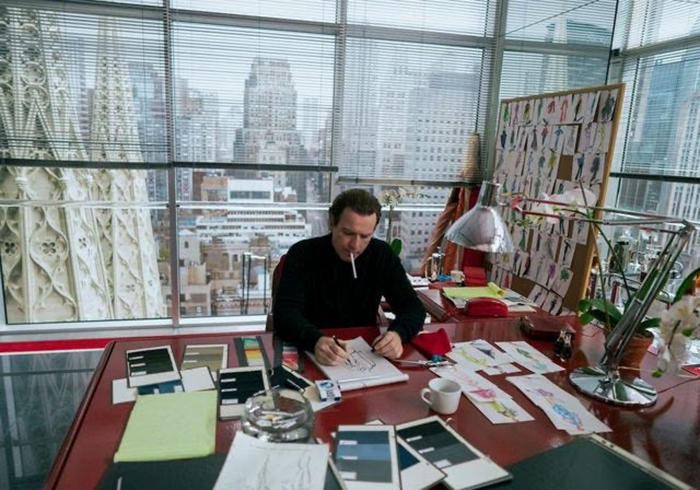
The fashion designer is often seen as the cornerstone of any fashion brand. Designers are responsible for conceptualizing and creating clothing, footwear, and accessories that align with the brand’s identity. Their role requires an exceptional sense of creativity, technical skills, and an understanding of materials, construction techniques, and market demands. Fashion designers begin the process by researching trends, exploring cultural movements, and seeking inspiration from a variety of sources such as art, architecture, nature, or historical references. They translate these ideas into sketches and technical drawings, selecting fabrics, colors, and patterns that reflect their vision.
Designers must balance creativity with practicality, ensuring that their designs are not only aesthetically pleasing but also functional and suitable for production. They collaborate closely with pattern makers, seamstresses, and manufacturers to bring their sketches to life, overseeing the development of prototypes and samples. Beyond the creative process, fashion designers must also understand the commercial side of the industry, tailoring their creations to appeal to target audiences while staying within budget and production constraints. They often participate in fashion shows, presentations, and marketing campaigns, where they explain the inspiration and craftsmanship behind their collections, helping to build a strong emotional connection between the brand and its consumers.
While the fashion designer focuses on individual collections, the creative director takes on a broader role, shaping the overall vision and identity of the brand. The creative director oversees all creative aspects, ensuring that every design, campaign, and visual representation aligns with the brand’s ethos and long-term goals. This role requires visionary thinking, leadership skills, and the ability to manage creative teams, including designers, photographers, stylists, and marketing professionals. The creative director sets the tone for each season’s collection, guiding the designers’ work to ensure coherence across various lines and products. They are deeply involved in storytelling, crafting narratives that give depth and meaning to collections, and directing advertising campaigns, fashion shows, and editorial shoots to reflect these stories.
A successful creative director understands how to balance innovation with brand heritage, pushing the brand forward without alienating loyal customers. They also serve as the public face of the brand, often engaging with media, celebrities, and influencers to enhance the brand’s image and reach. In today’s digital age, the creative director must also have a strong understanding of digital marketing and social media, as online presence plays a crucial role in shaping public perception. Ultimately, the creative director is the guardian of the brand’s creative integrity, ensuring that every visual and design element consistently conveys the desired message and aesthetic.
Working alongside fashion designers and creative directors, stylists play a critical role in interpreting and presenting fashion in ways that resonate with audiences. A stylist’s job goes beyond simply selecting clothing; it involves curating looks that tell stories, evoke emotions, and reflect cultural moments. Stylists work across various platforms, including editorial shoots, fashion shows, advertising campaigns, red carpet events, and personal styling for celebrities or private clients. They must have an eye for detail, a deep understanding of trends, and the ability to mix and match pieces in innovative ways that highlight the designer’s work while appealing to the intended audience.
In editorial shoots, stylists collaborate with photographers, makeup artists, and models to create compelling visual narratives. They interpret the designer’s vision and the creative director’s concept, selecting garments and accessories that best represent the desired aesthetic. For runway shows, stylists ensure that each look contributes to a cohesive narrative, managing fittings and making last-minute adjustments to achieve perfection. In personal styling, they must understand their clients’ personalities, preferences, and body types, curating wardrobes that enhance their public image while staying true to their individual style.
Stylists also play a strategic role in shaping brand perception. By styling celebrities for high-profile events or securing features in influential fashion magazines, they help create moments that capture public attention and define trends. Their work can significantly influence how collections are received, making them key players in a brand’s commercial success. Stylists must stay ahead of trends, constantly researching and sourcing pieces from various designers, vintage collections, and emerging brands to create fresh, inspiring looks.
The collaboration between designers, creative directors, and stylists is essential to a fashion brand’s success. Designers bring artistic visions to life, crafting the garments that serve as the foundation of a brand’s offerings. Creative directors provide the overarching narrative, ensuring that every collection, campaign, and visual output aligns with the brand’s identity and resonates with consumers. Stylists then translate these visions into tangible looks that captivate audiences, whether on the runway, in magazines, or on the red carpet. This synergy between creative roles results in fashion that not only reflects current cultural moments but also influences future trends and consumer desires.
In the highly competitive world of fashion, these roles require not only creativity but also strategic thinking, adaptability, and collaboration. Designers must innovate while considering practical production constraints. Creative directors must balance artistic ambition with commercial viability, ensuring that their vision aligns with market trends and consumer expectations. Stylists must continuously evolve their aesthetic approach, curating looks that feel both fresh and relevant. Together, these professionals shape the fashion industry, setting the tone for what the world wears and how style narratives are told.
Moreover, the modern fashion landscape demands that these roles also engage with pressing global issues such as sustainability, diversity, and inclusivity. Designers are exploring eco-friendly materials and ethical production processes, while creative directors are rethinking brand narratives to embrace more inclusive representations. Stylists are championing diverse beauty standards and promoting emerging designers who prioritize sustainable practices. The collaborative nature of these roles allows for the creation of fashion that not only dazzles aesthetically but also responds to the evolving values of contemporary consumers.
The fashion industry is ultimately a reflection of society’s changing tastes, values, and aspirations. The designer, creative director, and stylist each play a unique but interconnected role in shaping these reflections. Their combined efforts produce fashion that transcends clothing, becoming a powerful form of cultural expression. Through creativity, collaboration, and strategic vision, these professionals define the look and feel of each era, ensuring that fashion remains a dynamic and influential force in the world.
As the fashion industry continues to evolve, the roles of the designer, creative director, and stylist become increasingly complex and intertwined. In today’s digital landscape, where trends emerge rapidly and consumer engagement happens in real time, these professionals must adapt their approaches to remain relevant. Social media platforms like Instagram, TikTok, and Pinterest have transformed the way fashion is consumed and perceived. The designer now considers how garments will photograph on digital platforms, understanding that a single viral look can define an entire collection’s success. Creative directors develop campaigns specifically tailored for digital audiences, crafting visual stories that unfold across multiple platforms. Stylists curate looks not only for the runway or editorial spreads but also for influencers and digital personalities who have the power to shape global trends overnight.
In this new era, fashion designers are expected to think beyond traditional runway shows. Many are experimenting with digital presentations, virtual reality experiences, and direct-to-consumer collections released online. This shift requires them to integrate technology into their creative processes, collaborating with digital artists and technologists to bring innovative ideas to life. Fashion houses are investing in digital fashion, where virtual garments designed for online avatars or digital fashion shows challenge the conventional definitions of clothing. Designers who embrace these changes are at the forefront of a new wave in fashion, blending craftsmanship with cutting-edge technology.
The role of the creative director has also expanded to encompass brand activism and cultural relevance. In a world where consumers increasingly demand transparency, inclusivity, and ethical practices from brands, creative directors must craft narratives that resonate on a deeper level. They are tasked with defining the brand’s voice on social issues, deciding how fashion can contribute meaningfully to conversations around sustainability, body positivity, gender fluidity, and racial diversity. A creative director’s success now hinges on their ability to connect with audiences through authentic storytelling and a commitment to values that extend beyond aesthetics.
Creative directors are also responsible for orchestrating collaborations that expand the reach and influence of a brand. Collaborations between luxury houses and streetwear labels, artists, musicians, or even tech companies have become key strategies for staying culturally relevant. These partnerships not only introduce brands to new demographics but also generate buzz and excitement in a saturated market. For example, when a high-fashion brand collaborates with a popular streetwear designer, the creative director ensures that the collaboration feels seamless, balancing the luxury brand’s heritage with contemporary cultural influences. Such collaborations highlight the strategic aspect of the creative director’s role—where vision, marketing, and cultural insight converge.
Stylists, too, have seen their influence grow in the digital era. The rise of celebrity culture and influencer marketing means that a single red-carpet moment or street-style look can shape global trends. Stylists now work closely with public figures whose fashion choices are instantly broadcast to millions. In this context, stylists become storytellers, crafting images that convey not just personal style but also narratives of empowerment, rebellion, or sophistication. Their work is no longer confined to behind-the-scenes roles; many stylists have become influential figures in their own right, with large social media followings and significant sway over fashion discourse.
Moreover, the stylist’s job now involves navigating the intersection of fashion and branding. For celebrities and influencers, fashion choices are integral to personal branding, shaping public perception and marketability. Stylists help curate wardrobes that reinforce a client’s brand identity, ensuring that every appearance aligns with broader career goals. This might mean selecting avant-garde pieces for a musician seeking an edgy image or classic couture for an actress positioning herself as a style icon. The stylist’s ability to read the cultural moment and translate it into memorable fashion statements is essential in this highly competitive space.
Sustainability has become another crucial consideration across all these roles. The fashion industry is one of the largest contributors to environmental pollution, prompting calls for more sustainable practices. Designers are increasingly exploring eco-friendly materials, zero-waste patterns, and circular fashion models that extend the lifecycle of garments. Creative directors are redefining brand values to incorporate sustainability, turning ethical practices into core components of their messaging. Stylists play a role in this shift by promoting vintage fashion, supporting sustainable brands, and encouraging practices like clothing rental and resale. Their influence can help normalize conscious consumption and push the industry toward a more sustainable future.
The interconnected nature of the designer, creative director, and stylist roles is most evident during major fashion moments, such as Fashion Weeks in cities like Paris, Milan, London, and New York. These events showcase the culmination of months of work, where design innovation, creative vision, and styling expertise come together to present cohesive, inspiring collections. Each role feeds into the others: the designer’s garments provide the raw material, the creative director shapes the narrative and presentation, and the stylist curates looks that bring the vision to life. These collaborative efforts determine how collections are perceived by critics, buyers, and the public, influencing trends and shaping the industry’s direction for the coming seasons.
The future of fashion will continue to be shaped by innovation, technology, and cultural shifts. As virtual fashion gains traction and digital influencers become central to marketing strategies, designers, creative directors, and stylists will need to embrace new tools and platforms. The metaverse, for example, presents new opportunities for fashion brands to engage with consumers through virtual experiences and digital garments. This emerging frontier challenges traditional ideas about fashion consumption and opens up possibilities for more sustainable and accessible forms of expression.
However, amid these changes, the essence of fashion remains rooted in creativity, storytelling, and human connection. The designer’s artistic vision, the creative director’s narrative power, and the stylist’s ability to translate these elements into compelling visuals ensure that fashion remains a vibrant, relevant, and influential industry. These roles, while distinct, rely on collaboration, mutual respect, and a shared passion for pushing boundaries and exploring new possibilities.
Ultimately, fashion is more than just an industry—it is a reflection of who we are and who we aspire to be. The designer, creative director, and stylist each contribute to this reflection, shaping how individuals express identity, culture, and values through style. Their work influences not only what we wear but also how we see ourselves and the world around us. As the industry continues to evolve, these creative professionals will remain at the forefront, driving innovation, challenging norms, and inspiring generations to come.