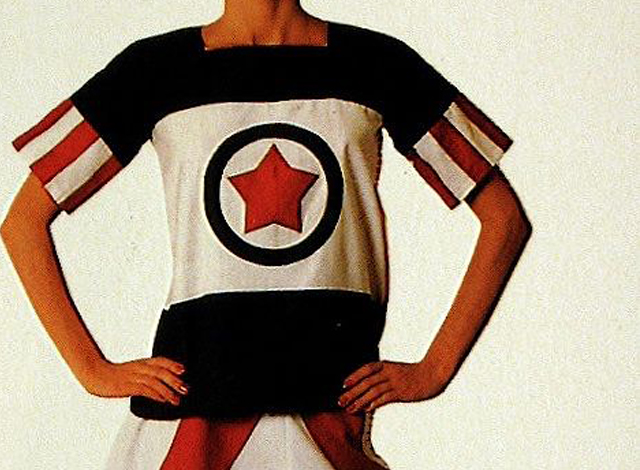
The relationship between left-wing political philosophy and style has been complex, dynamic, and deeply influential throughout history. Leftist ideologies such as Marxism, socialism, and anarchism have profoundly shaped not only political and economic structures but also cultural expressions, including fashion, design, and aesthetics. The leftist commitment to egalitarianism, anti-capitalism, and collective identity has inspired diverse stylistic movements that challenged conventional norms, redefined beauty standards, and democratized fashion.
The origins of left-wing influence on style can be traced back to the 19th century, during the rise of socialist and labor movements in Europe. As industrialization intensified class divisions, fashion became a marker of social status. The aristocracy and bourgeoisie displayed wealth through elaborate garments, while the working class wore functional, modest clothing. Early socialist thinkers like Karl Marx and Friedrich Engels criticized the capitalist commodification of fashion, viewing it as a manifestation of alienation and exploitation. Marx, in particular, believed that fashion in capitalist societies perpetuated class distinctions and distracted the working class from their material conditions. These critiques laid the groundwork for later leftist engagement with style as a tool for resistance and solidarity.
In the early 20th century, revolutionary movements embraced style as a means of expressing political ideals. The Russian Revolution of 1917, for example, inspired avant-garde artists and designers such as Vladimir Tatlin and Varvara Stepanova to create utilitarian and functional clothing that reflected socialist values. Constructivism, an artistic and architectural philosophy that emerged in Russia, sought to align art and design with the needs of the proletariat. The emphasis on practicality, simplicity, and mass production challenged bourgeois aesthetics and promoted collective identity. Fashion under Soviet socialism rejected individual extravagance in favor of standardized designs that symbolized unity and equality.
Simultaneously, in Western Europe, the Bauhaus movement in Germany integrated leftist principles into design and fashion. Founded in 1919 by Walter Gropius, the Bauhaus school promoted the idea that art, design, and architecture should serve the needs of society. The movement rejected decorative excess and focused on functionalism and minimalism.
Designers like László Moholy-Nagy and Oskar Schlemmer believed that fashion should be accessible, practical, and devoid of class markers. The Bauhaus aesthetic influenced modernist fashion by promoting clean lines, geometric forms, and unadorned materials, which aligned with socialist ideals of equality and rationality.
The mid-20th century saw the rise of countercultural movements that further explored the intersection of left-wing politics and style. The 1960s and 1970s were particularly significant, as anti-war protests, civil rights struggles, and feminist movements challenged established power structures. Fashion became a powerful medium for expressing dissent and solidarity. The counterculture adopted casual and unorthodox styles, rejecting the conformity of mainstream fashion. Blue jeans, once associated with manual labor, became symbols of rebellion and egalitarianism. The hippie movement embraced ethnic-inspired clothing, natural fabrics, and handmade accessories, reflecting anti-capitalist and anti-imperialist sentiments.
Moreover, the feminist movement profoundly influenced fashion by challenging gender norms and advocating for women’s autonomy. Writers like Simone de Beauvoir and Betty Friedan critiqued the role of fashion in perpetuating female oppression. In response, feminist fashion rejected restrictive garments such as corsets and high heels in favor of comfortable, functional clothing that allowed freedom of movement. The adoption of unisex styles, pantsuits, and minimalistic designs reflected a broader desire to dismantle patriarchal structures and redefine femininity.
In the postmodern era, left-wing political philosophy continued to shape style through critical engagement with issues of identity, race, and globalization. The punk movement of the late 1970s and 1980s exemplified this trend. Originating in the United Kingdom amid economic decline and political unrest, punk fashion utilized DIY aesthetics, torn clothing, and provocative symbols to challenge capitalist consumerism and conservative social norms. Bands like The Clash and Sex Pistols used style as a form of protest, embodying anarchist and anti-establishment sentiments. Punk’s emphasis on individual expression and resistance to commodification resonated with broader leftist critiques of cultural hegemony.
Contemporary fashion continues to reflect the impact of left-wing political philosophy, particularly in its engagement with sustainability, ethical production, and social justice. The critique of fast fashion and its exploitative labor practices has led to a growing movement advocating for slow fashion, fair trade, and environmentally sustainable materials. Designers and brands committed to these principles align with socialist ideals by prioritizing workers’ rights, community empowerment, and ecological responsibility. Fashion houses like Stella McCartney have pioneered sustainable luxury, while grassroots initiatives promote ethical fashion production.
Additionally, contemporary discussions around body positivity, gender fluidity, and cultural appropriation have further demonstrated the influence of leftist thought on style. The rejection of Eurocentric beauty standards, the embrace of diverse body types, and the celebration of non-binary and transgender identities reflect a commitment to inclusivity and equality. Fashion shows, advertising campaigns, and mainstream media increasingly showcase models of various ethnicities, sizes, and gender expressions, challenging traditional norms and expanding representations of beauty and identity.
Philosophers and cultural theorists have provided critical frameworks for understanding the relationship between left-wing politics and style. Pierre Bourdieu’s concept of “cultural capital” highlights how fashion can both reinforce and subvert social hierarchies. Bourdieu argued that taste and aesthetic preferences are socially constructed and serve to legitimize class distinctions. However, by challenging dominant tastes, marginalized groups can use style as a means of resistance. Similarly, Antonio Gramsci’s theory of cultural hegemony explains how ruling classes maintain power through cultural institutions, including fashion. Leftist engagement with style, therefore, involves disrupting hegemonic narratives and creating alternative cultural expressions that empower oppressed communities.
Judith Butler’s work on gender performativity has also been instrumental in shaping contemporary understandings of fashion and identity. Butler posits that gender is not an inherent trait but a performance shaped by societal norms. Fashion plays a crucial role in this performance, allowing individuals to challenge and redefine gender identities. The rise of gender-fluid and androgynous fashion reflects these theoretical insights, demonstrating how style can be a site of resistance against binary conceptions of gender.
Despite its transformative potential, leftist engagement with fashion has faced critiques and challenges. One significant critique concerns the commodification of dissent. As countercultural styles become mainstream, their radical messages risk being diluted or co-opted by capitalist markets. For example, punk fashion, once a symbol of anti-establishment rebellion, has been appropriated by luxury brands and mass-produced for consumer markets. This phenomenon raises questions about the ability of fashion to sustain radical political messages within a capitalist framework.
Furthermore, tensions exist between the desire for mass accessibility and the realities of production costs. Ethical and sustainable fashion often comes at a higher price, limiting accessibility for working-class consumers. This contradiction highlights the broader challenge of aligning leftist ideals with the economic structures of the fashion industry.
Addressing these tensions requires ongoing critical reflection and innovative approaches to production, distribution, and consumption.
In conclusion, the impact of left-wing political philosophy on style has been profound and multifaceted. From the early critiques of capitalist commodification by Marx and Engels to contemporary movements for sustainability and inclusivity, leftist ideologies have continuously shaped the aesthetics, meanings, and practices of fashion. By challenging social hierarchies, promoting equality, and fostering collective identity, leftist engagement with style offers powerful tools for cultural and political transformation.
However, the ongoing commodification of dissent and the accessibility challenges of ethical fashion underscore the complexities of sustaining radical messages within capitalist markets. As fashion continues to evolve, its relationship with left-wing political philosophy will remain a dynamic and critical arena for exploring the intersections of culture, identity, and power.