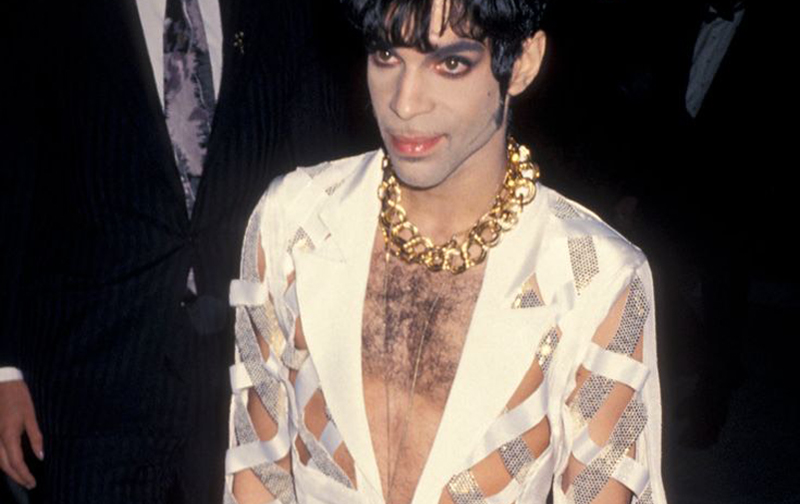
Gender-fluid fashion, a concept that challenges the conventional norms of clothing and identity, has become a significant movement within the fashion world in recent years. Rooted in progressive ideologies, especially left-wing political thought, gender-fluid fashion pushes the boundaries of traditional gender roles and the binary system of male and female. This shift in fashion is not only a statement of personal identity but also reflects a broader cultural and political change that aims to break down the systemic structures of patriarchy, capitalism, and heteronormativity.
The binary system has long dictated how individuals express themselves through clothing. Historically, men wore suits, trousers, and structured garments, while women were expected to wear dresses, skirts, and softer, more flowing fabrics. These expectations have been reinforced through societal conditioning, making it difficult for many individuals to step outside of these lines without facing social or professional repercussions. Gender-fluid fashion rejects this binary thinking, allowing people to express their identity in a way that feels authentic to them, without being confined to labels or categories. The appeal of gender-fluid fashion is not merely the breaking of gender norms in clothing but a form of resistance against the broader social and political systems that enforce these norms.
One of the key elements of gender-fluid fashion is its inclusivity. While traditional fashion often caters to either men or women, gender-fluid fashion aims to create designs that are accessible and appealing to everyone, regardless of gender. This approach promotes a sense of freedom, allowing individuals to wear what they want, without the constraints of gendered expectations. Designers who focus on gender-fluid fashion often use neutral colors, androgynous cuts, and versatile materials to create garments that can be worn by anyone. This inclusivity fosters an environment where people can embrace their true selves, without the fear of judgment or rejection based on their gender identity.
At the heart of gender-fluid fashion is the idea of progressivism and left-wing ideologies. Progressive thought challenges the status quo and advocates for social justice, equality, and the dismantling of systems of oppression. The political ideologies associated with left-wing movements—such as feminism, queer theory, and anti-capitalism—have played a significant role in the development of gender-fluid fashion. These ideologies reject the idea that people must conform to rigid gender norms, recognizing that gender is fluid and should not be restricted by societal expectations. Gender-fluid fashion, in many ways, serves as a visual manifestation of these political ideologies, offering a platform for individuals to challenge and subvert traditional power structures.
Feminism, for example, has long been concerned with gender equality and the ways in which traditional gender roles limit both women and men. Feminist thinkers have argued that clothing, as a form of social expression, plays a crucial role in maintaining these gendered divisions. By wearing clothing that transcends these boundaries, gender-fluid fashion creates a space for women to escape the confines of femininity and for men to reject toxic masculinity. Moreover, it provides a platform for those who do not fit neatly into the male/female binary, such as non-binary and genderqueer individuals, to express themselves authentically.
Queer theory also heavily influences the gender-fluid fashion movement. Queer theorists have long argued that gender is a social construct, not a biological imperative. They advocate for a more inclusive understanding of gender, one that recognizes a spectrum of identities rather than a fixed binary. This theory aligns closely with the principles of gender-fluid fashion, which seeks to deconstruct the binary understanding of gender through creative expression. Designers who embrace queer theory in their work often create garments that blur the lines between masculinity and femininity, challenging societal norms about what is considered “appropriate” for a person to wear based on their gender.
Capitalism, too, is an important factor in the rise of gender-fluid fashion. The fashion industry, like many others, has historically profited from reinforcing gendered clothing. For example, clothing companies have designed separate collections for men and women, often pricing these items differently based on the gender they are marketed toward. This gendered marketing strategy has not only maintained traditional gender norms but also contributed to the commodification of gender. Gender-fluid fashion, in contrast, resists this capitalist model by offering designs that are not bound by these constraints, allowing for a more sustainable and ethical approach to clothing. The rejection of traditional gender categories in fashion can also be seen as a critique of the fashion industry’s role in perpetuating narrow and exclusionary ideals of beauty and identity.
The rise of gender-fluid fashion has been further amplified by the visibility of LGBTQ+ individuals and communities. As the conversation around gender identity becomes more inclusive, fashion has become a platform for LGBTQ+ individuals to express themselves in new and innovative ways. Designers who embrace gender-fluid fashion are often those who have a deep understanding of the diverse experiences of gender identity, and they are creating clothing that reflects these experiences. In doing so, they contribute to the broader movement for LGBTQ+ rights and visibility, using fashion as a tool for political activism.
Celebrity figures have played a significant role in bringing gender-fluid fashion into the mainstream. Celebrities such as Billy Porter, Harry Styles, and Jaden Smith have become icons of gender-fluid fashion, wearing clothing that challenges traditional gender norms and embracing styles that are often seen as unconventional. Their public visibility has helped normalize gender-fluid fashion, allowing it to be seen as a legitimate form of self-expression rather than a radical statement. These figures, by wearing gender-fluid clothing on red carpets and in everyday life, have shown that fashion can be a powerful tool for social change, breaking down barriers and opening up new possibilities for gender expression.
Fashion shows and runway presentations have also become key sites for the exploration of gender-fluid design. Designers such as Jean-Paul Gaultier, Vivienne Westwood, and Rick Owens have used their collections to push the boundaries of gender norms, presenting collections that feature models of all genders and showcasing designs that blur the lines between masculine and feminine aesthetics. These designers, through their work, have helped to shape a more inclusive and progressive fashion landscape, one where gender-fluid fashion is no longer seen as a fringe movement but as an essential part of the broader fashion discourse.
Social media has further propelled the growth of gender-fluid fashion. Platforms like Instagram and TikTok have provided a space for individuals to showcase their gender-fluid styles, creating a global community of like-minded individuals who embrace non-binary fashion. These platforms have allowed people to share their unique expressions of gender through fashion, contributing to a culture of acceptance and inclusivity. Social media has also facilitated the rise of gender-fluid influencers, who use their platform to challenge traditional beauty standards and promote progressive ideas around gender and self-expression.
In the context of global politics, gender-fluid fashion also serves as a form of resistance to authoritarian regimes and conservative ideologies that seek to impose rigid gender norms. In many parts of the world, gender expression is heavily policed, and individuals who deviate from traditional gender roles face discrimination and violence. Gender-fluid fashion, as a form of personal expression, challenges these oppressive regimes by asserting the right to self-determination and bodily autonomy. In this sense, gender-fluid fashion becomes a form of protest, using clothing as a tool for political activism and social change.
As gender-fluid fashion continues to gain visibility and recognition, it is important to acknowledge the ways in which it intersects with other forms of social justice. The movement for gender equality, racial justice, environmental sustainability, and LGBTQ+ rights are all interconnected, and gender-fluid fashion offers a space where these issues can be addressed simultaneously. By embracing inclusive and sustainable design practices, gender-fluid fashion can contribute to a more equitable and just society, where all individuals are free to express themselves without fear of judgment or oppression.
In conclusion, gender-fluid fashion represents a powerful shift in the way we think about clothing, identity, and society. It challenges the binary understanding of gender, promoting inclusivity and self-expression for all individuals, regardless of gender. Rooted in progressive left-wing ideologies, gender-fluid fashion serves as a form of resistance against the oppressive structures of patriarchy, capitalism, and heteronormativity. Through the work of designers, activists, and influencers, gender-fluid fashion has become a symbol of social change, offering a new way of thinking about fashion, identity, and the politics of gender. As this movement continues to evolve, it holds the potential to reshape not only the fashion industry but also the way we understand and experience gender in the modern world.