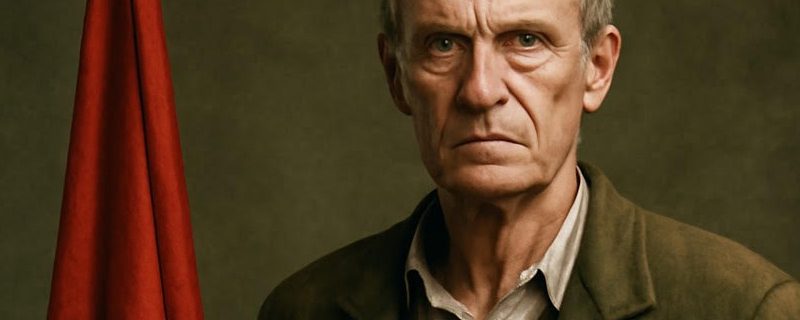
پوشاک به‌عنوان اظهارنظر اجتماعی: بیانات سیاسی و ایدئولوژیک در تئاتر

پوشاک‌ها، که اغلب به‌عنوان لوازم جانبی ساده در یک اجرای تئاتری در نظر گرفته می‌شوند، از نقش خود به‌عنوان قطعات ساده لباس فراتر می‌روند. آن‌ها نمادهای قدرتمندی هستند که اغلب نیروهای اجتماعی، اقتصادی و سیاسی حاکم بر جامعه‌ای که آن‌ها را تولید می‌کند، بازتاب یا نقد می‌کنند. در دنیای تئاتر، پوشاک تنها به‌عنوان ابزاری بصری …

Costume as Social Commentary: Political and Ideological Expressions in Theatre

Costumes, often regarded as mere accessories to a theatrical performance, transcend their role as simple articles of clothing. They are potent symbols, often reflecting or critiquing the social, economic, and political forces at play within the society that produces them. In the world of theatre, the costume emerges not merely as a visual tool to …

اندیشیدن با لباس و ماده در تئاتر: رویکردی انتقادی به (اکولوژی‌های نوین) لباس

نقش لباس در اجرا امروز در حال تجربه‌ی نوعی بازنگری عمیق است؛ دیگر صرفاً به‌عنوان تزئیناتی بی‌جان یا ابزارهای دیداری برای شخصیت‌پردازی در نظر گرفته نمی‌شود، بلکه پژوهش‌های معاصر آن را به‌عنوان عاملی حیاتی و فعال در رخداد تئاتری می‌بینند. مقاله‌ی «اندیشیدن با لباس و ماده: رویکردی انتقادی به (اکولوژی‌های نوین) لباس» نوشته‌ی اس. پانتوواکی …

Thinking with Costume and Material in Theatre: A Critical Approach to (New) Costume Ecologies

The role of costume in performance is undergoing a profound re-evaluation. Rather than seeing costumes as inert adornments or mere visual aids for character, contemporary scholarship increasingly treats them as vital agents in the theatrical event. The article “Thinking with Costume and Material: A Critical Approach to (New) Costume Ecologies” by S. Pantouvaki et al. …

رمزگانِ رنگ: از سبزِ تعزیه تا سرخ/آبیِ کابوکی

هر جامه‌ای سیاسی است. چه بر صحنه و چه در زندگی، آنچه می‌پوشیم هرگز پارچه‌ای خنثی نیست ــ بلکه حاملِ رمزهای قدرت اجتماعی، هویت فرهنگی و ایدئولوژی است. تفاوت میان یونیفرم نظامی و لباس‌های ژنده، تاج و حجاب، کت‌وشلوار برند لوکس و لباس کار ساده را در نظر بگیر: هرکدام بی‌درنگ موقعیتی در روابط قدرت …

Codes of Color: From Ta’ziyeh Green to Kabuki Red/Blue

Every costume is political. On stage and in life, what we wear is never neutral fabric – it encodes social power, cultural identity, and ideology. Consider the difference between a military uniform and tattered rags, a crown and a veil, a designer suit and plain overalls: each immediately signals a position within power relations. A …

نقشه‌نگاریِ آینده‌های ممکن

این مجموعه صرفاً رشته‌ای از پوشاک نیست، بلکه نقشه‌نگاری‌ای از آینده‌های ممکن است—بافتی تراش‌خورده در زبانی که فراتر از فصل‌ها و روندها می‌رود. هر چین، هر حجم و هر سیلوئت، به ژستی بدل می‌شود در گفت‌وگویی پیوسته میان بدن و امتدادهای خیالی‌اش. این قطعات لباس نیستند؛ معماری‌هایی از «حضور»‌اند، تجسم بیرونی تپش جهانی که در …

Cartography of Possible Futures

This collection is not merely a series of garments, but a cartography of possible futures—fabric sculpted into a language that transcends seasons and trends. Each fold, volume, and silhouette becomes a gesture in an unfolding dialogue between the body and its imagined extensions. The pieces are not clothes; they are architectures of presence, externalizing the …

آن‌چه پس از تن باقی می‌ماند: مد در عصر آنتروپوسن

در عصری که با فروپاشی زیست‌محیطی تعریف می‌شود، مد دیگر نمی‌تواند به کلیشه‌های آشنای زیبایی و ماندگاری تکیه کند. آنتروپوسن ما را وادار می‌کند که پوشاک را نه صرفاً به‌عنوان زینتی برای بدن‌های زنده، بلکه به‌عنوان اشیایی مادی که در چرخه‌های حیات و مرگ سیاره‌ای درگیرند، بازبینی کنیم. همان‌طور که یک پژوهش هشدار می‌دهد، «مصرف …

What Remains After the Body: Fashion in the Anthropocene

In an era defined by environmental breakdown, fashion can no longer rely on familiar tropes of beauty and permanence.  The Anthropocene prompts us to reconsider clothing not as a mere adornment of living bodies, but as material artifacts entangled in planetary life‐death cycles.  As one study warns, “the unbridled consumption of clothing threatens the environment,” …